Arvada
The Denver suburb where Colorado's gold story began, with a historic Olde Town and quiet wildlife refuges.
About Arvada
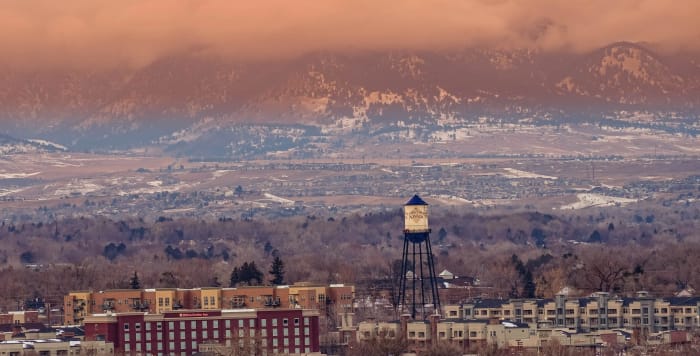
Arvada sits just northwest of Denver, mostly in Jefferson County with a sliver in Adams County, and Olde Town Arvada is only about 7 miles from the State Capitol. It's a city of roughly 124,000 people, but it keeps a small-town heart in its historic downtown of brick storefronts, patios and string lights.
For photographers, Arvada is an easy local outing. Olde Town is great for street and evening shots, Ralston Creek and Gold Strike Park tie into the city's founding story, and Two Ponds and Rocky Flats national wildlife refuges add birds, prairie and foothills views close to home.
The RTD G Line commuter rail connects Olde Town Arvada with Denver Union Station, which makes an easy car-free evening of shooting and dinner.
A Denver suburb along Ralston Creek and Clear Creek, with enough elevation in spots to catch genuine storm and sunset color over the Front Range without driving into the mountains at all. Worth keeping in your back pocket for evenings when a big sky is building but you don't have time to get out of town — a fast-moving storm cell lit gold at sunset reads as dramatically here as it would from much further out.
History
On June 22, 1850, Georgia prospector Lewis Ralston found a small amount of gold in a stream near Clear Creek, a find now commemorated at Gold Strike Park along Ralston Creek and one of the sparks of the later Colorado gold rush. Settlers arrived in 1859, and the Ralston Point townsite was platted along the Colorado Central Railroad in 1870. The town was renamed Arvada after Hiram Arvada Haskin, brother-in-law of settler Mary Wadsworth, and incorporated in 1904. In the early 20th century Arvada called itself the Celery Capital of the World for its prized Pascal celery.
Photographing Arvada
Best light: Olde Town is best at blue hour and after dark, when storefronts and patio lights glow. For the wildlife refuges and creek paths, early morning gives soft light and more active birds.
Shots to look for
- Olde Town Arvada's historic storefronts at blue hour, shot down the street with a 24-35mm lens
- Gold Strike Park and Ralston Creek at sunrise, framing cottonwoods along the water
- Open prairie at Rocky Flats National Wildlife Refuge with the foothills rising to the west
- Birds and wetland reflections at Two Ponds National Wildlife Refuge with a telephoto
Photo tips
- Olde Town gets busy on weekend evenings and festival days; scout parking or take the G Line
- Bring a fast prime or a small tripod for low-light street work
- Check refuge hours and rules before heading to Two Ponds or Rocky Flats
- Shoot west from open space areas for mountain backdrops at sunset
Know before you go
- Olde Town Arvada is served by the G Line commuter rail station
- National wildlife refuges have their own hours and rules; check before you go
- Arvada spans two counties, so park and permit rules can vary by location
Prints from Arvada
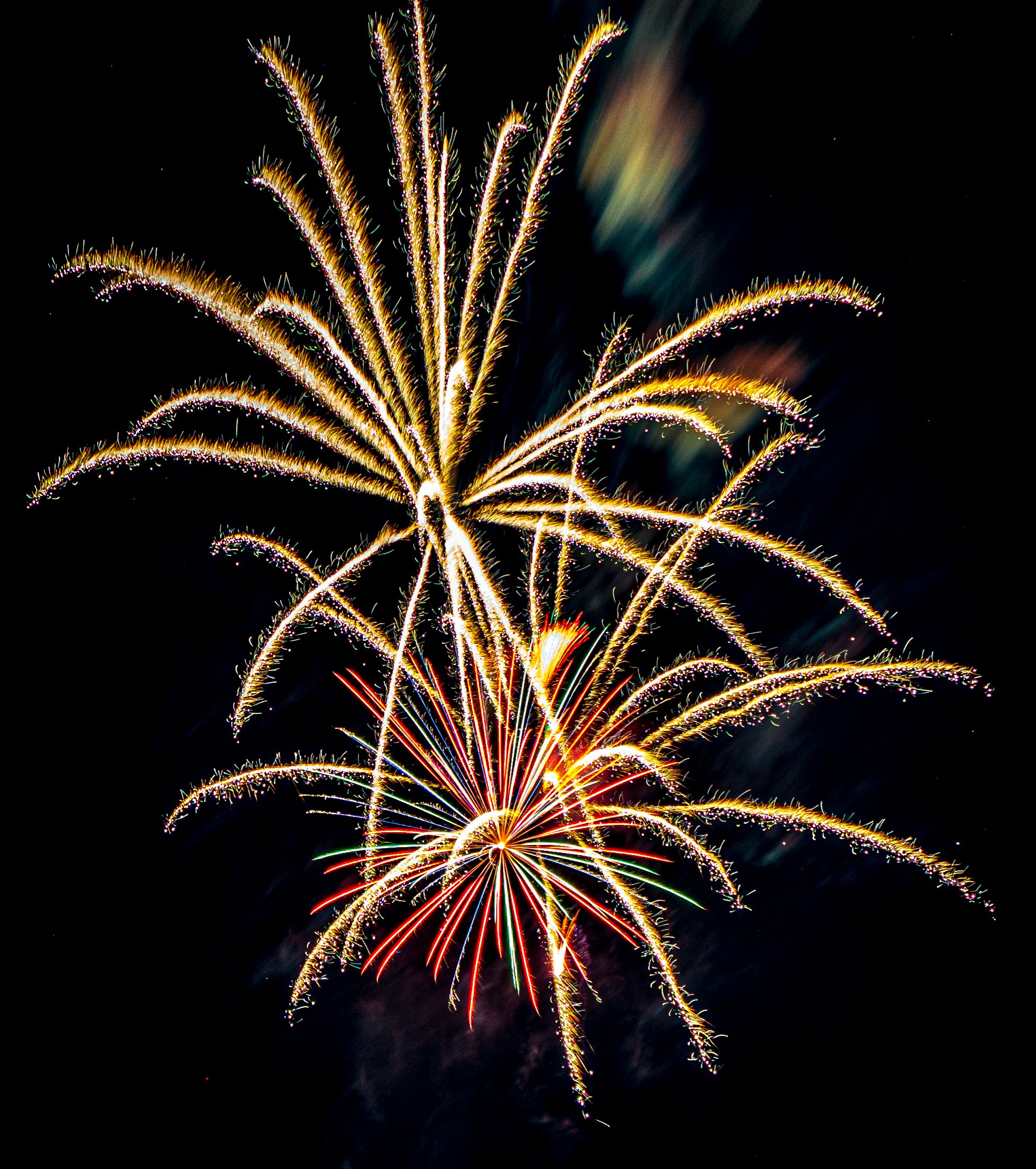
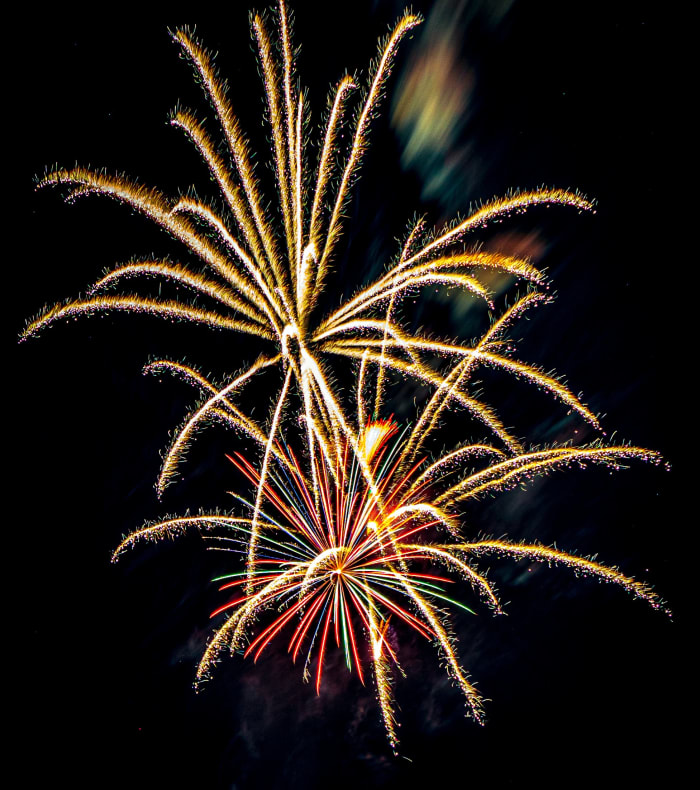
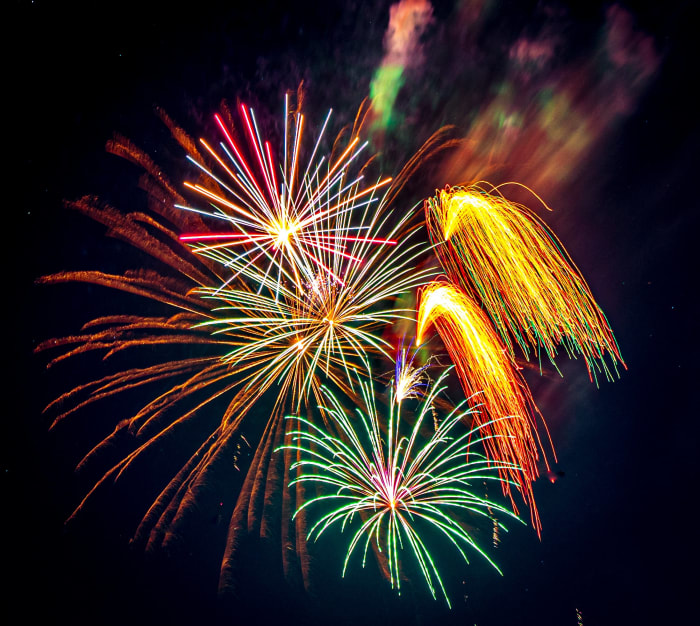
Every photo is available as a print on metal, canvas, wood or fine art paper.



Frequently asked questions
Why is it called Arvada?
The town was named for Hiram Arvada Haskin, brother-in-law of early settler Mary Wadsworth, after first being platted as Ralston Point.
Where was gold first found in Colorado's Front Range?
Lewis Ralston found gold along a creek in today's Arvada on June 22, 1850. The site is marked at Gold Strike Park.
Combine it with
Golden · Rocky Flats National Wildlife Refuge · Two Ponds National Wildlife Refuge · Denver
More Colorado spots
Sources & further reading: en.wikipedia.org · en.wikipedia.org. Conditions, fees and rules change; check with the managing agency before you go.