Denver Botanic Gardens
Twenty-four acres of themed gardens beside Cheesman Park, with a landmark conservatory and a Japanese garden.
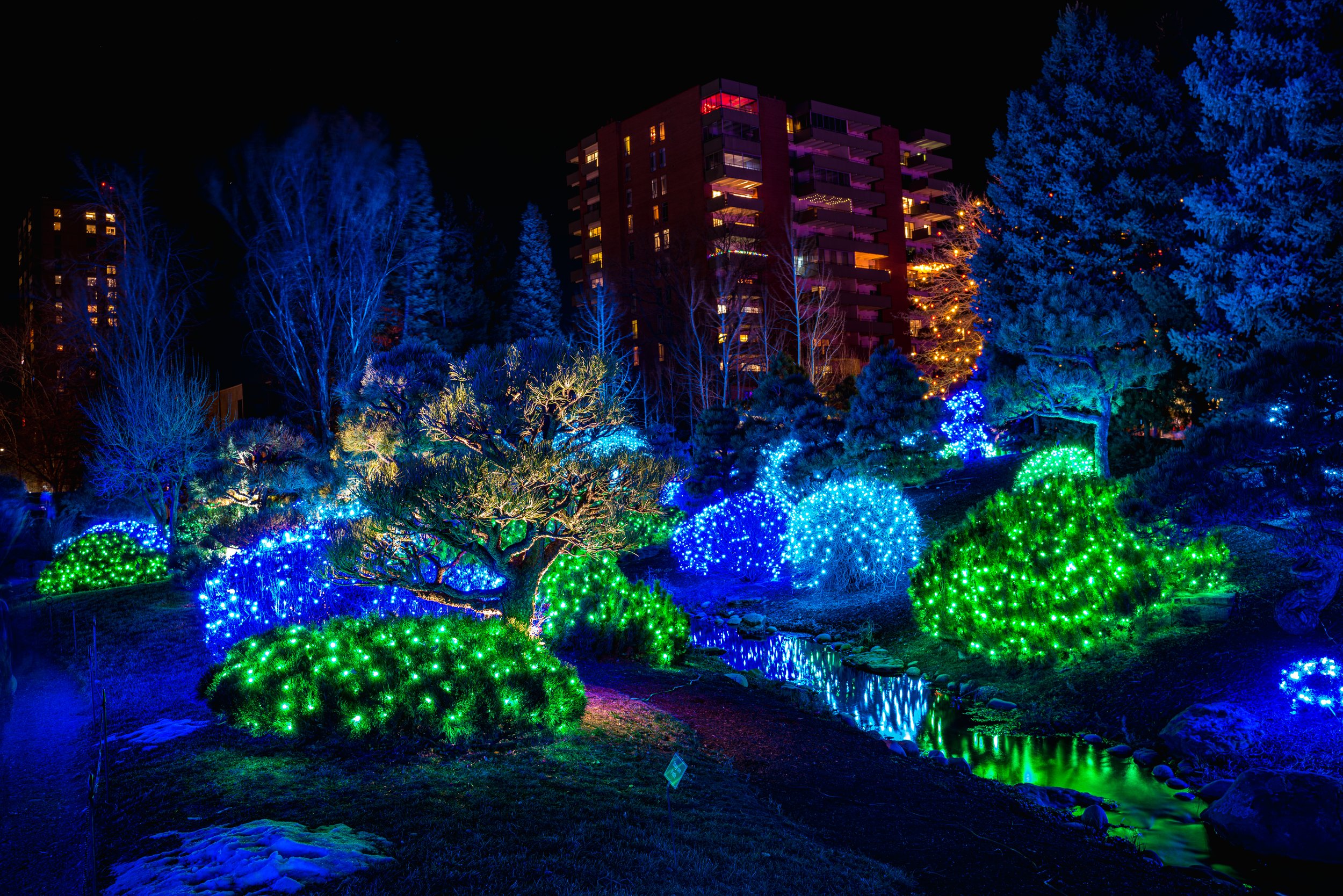
About Denver Botanic Gardens
Denver Botanic Gardens' York Street location covers about 24 acres between Cheesman Park and Congress Park in central Denver. It holds North America's largest collection of plants from cold temperate climates worldwide, along with gardens devoted to Colorado and its neighboring states.
Highlights include the Boettcher Memorial Tropical Conservatory, the Japanese garden Shofu-en, the Science Pyramid, the Mordecai Children's Garden, and the dryland gardens that pioneered xeriscaping. The Gardens also run Chatfield Farms in Littleton and co-manage the Mount Goliath Natural Area on Mount Blue Sky.
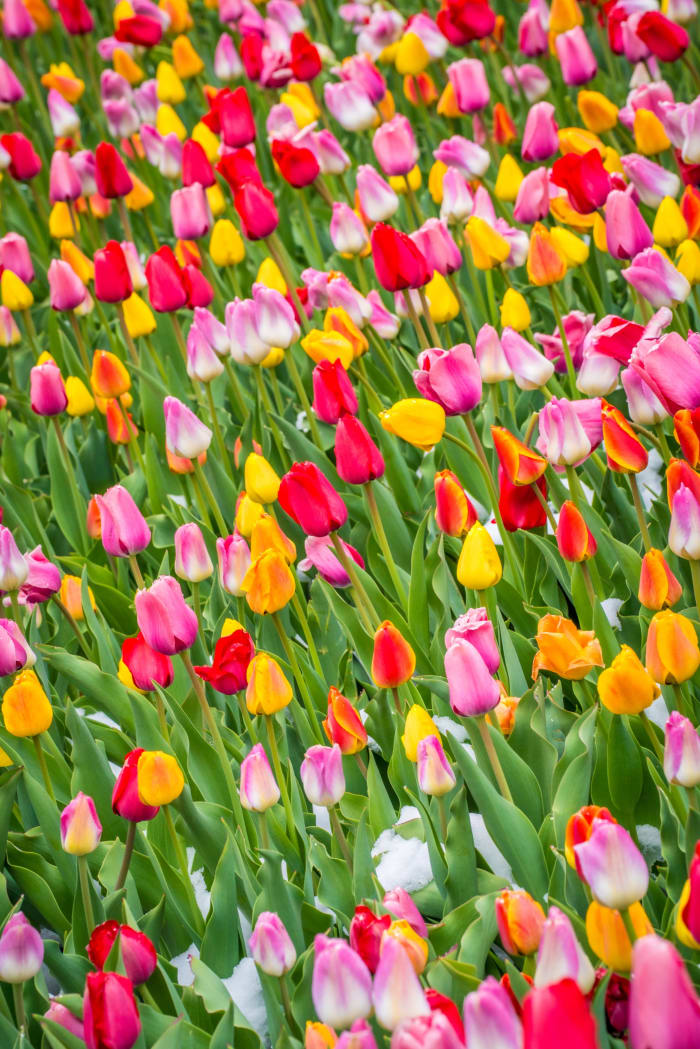
For a landscape photographer it is a rare, controlled environment: seasonal color from spring tulips to fall grasses, water features, and architecture that make strong close-up and intimate-landscape subjects within city limits.
One of the most-visited botanical gardens in the country, with living collections spanning tropical to tundra across 24 acres in the heart of the city. Most of the gardens lean into Colorado natives suited to a semi-arid climate, but there are dedicated sections showcasing plants from well beyond the state too, alongside a steady calendar of exhibits and events — a genuinely useful macro-lens location any time of year, rain or shine.
History
The Gardens were founded in 1951 on land that was once part of Prospect Hill cemetery, the same ground that became Cheesman and Congress parks. Most graves were moved in 1893, but removals continued for decades and remains were still being found as recently as 2008.
The Boettcher Memorial Tropical Conservatory, said to be the first conservatory in America built entirely of concrete and Plexiglas, received landmark status in 1973. Shofu-en, roughly 'Garden of Wind and Pines,' was designed by Koichi Kawana. In 1986 the Gardens opened the world's first Xeriscape demonstration garden, later renamed Dryland Mesa.
Photographing Denver Botanic Gardens
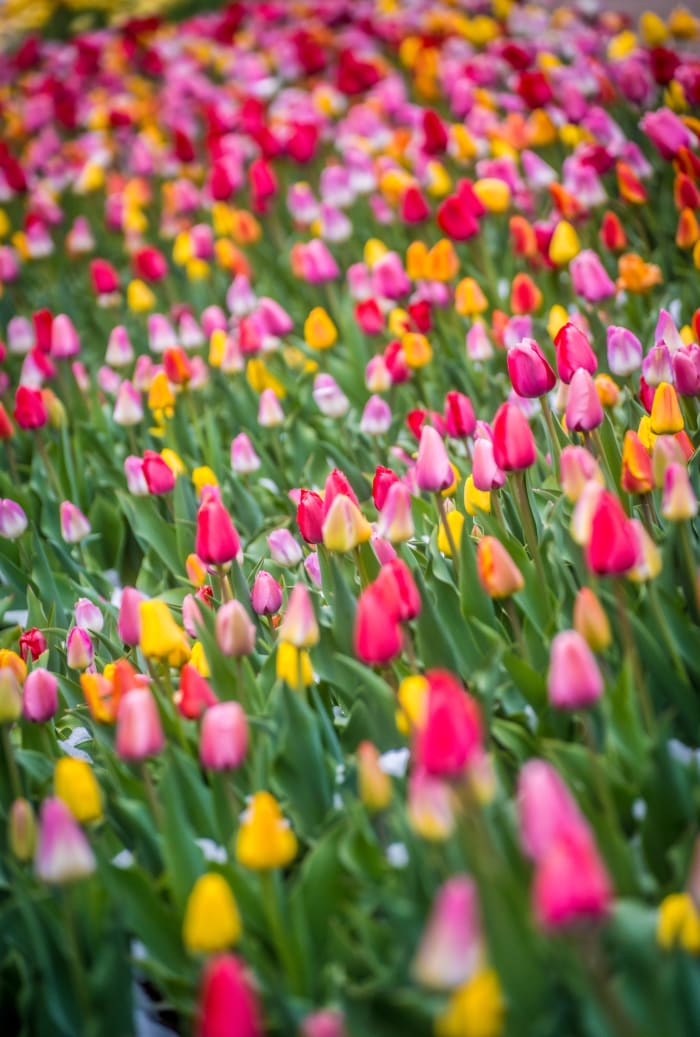
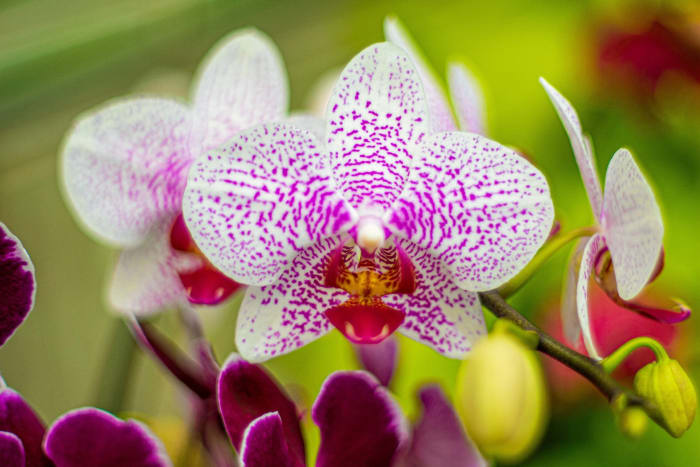
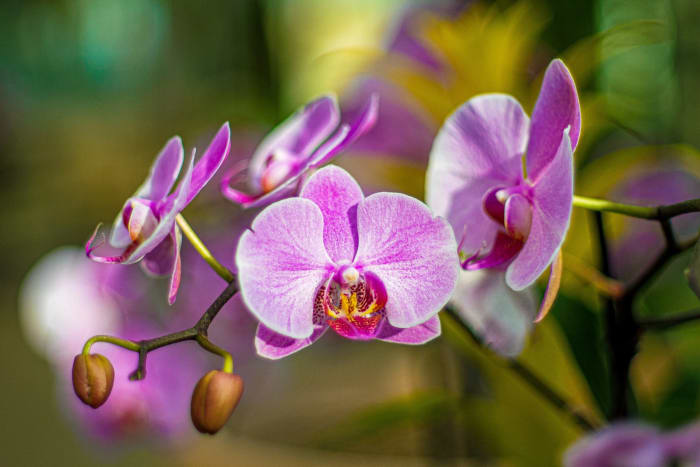
Best light: Come at opening on a weekday for soft light and fewer people; the water gardens and Shofu-en are calmest early. Late spring brings tulips and irises, midsummer the water lilies, and autumn the ornamental grasses and Japanese maples. Overcast days are ideal for flower close-ups.
Shots to look for
- The Japanese garden's pines, lanterns and pond with a normal lens, keeping the composition quiet and asymmetric
- Water lilies and reflections in the formal pools with a polarizer to control glare
- Graphic patterns of the Boettcher Conservatory's concrete-and-glass shell from outside, shot with a wide angle
- Macro work on cactus spines and alpine plants in the dryland and rock alpine gardens
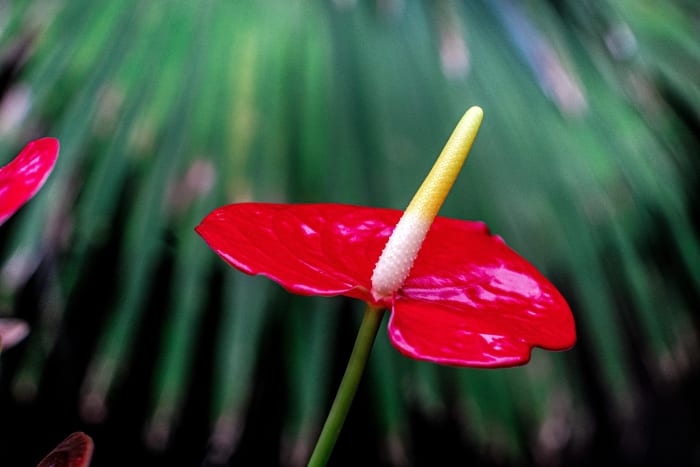
- Lush tropical layers inside the conservatory, letting your lens acclimate first to avoid fogging
Photo tips
- Tripods are allowed but must stay on paths; never step into beds or mulch.
- Personal photos are encouraged, but selling or exhibiting images as art requires a permit, and commercial shoots are not permitted.
- Portrait sessions of any kind need a paid permit booked in advance.
- Hours change seasonally and there are frequent early closings for events; check the calendar.
- Professional photography is barred at events such as Blossoms of Light and summer concerts.
Know before you go
- Admission is ticketed; members get in free.
- Drones are strictly prohibited.
- Check the photo policy before bringing clients or planning to sell images.
- Street parking in the neighborhood can be tight on busy days.
Prints from Denver Botanic Gardens
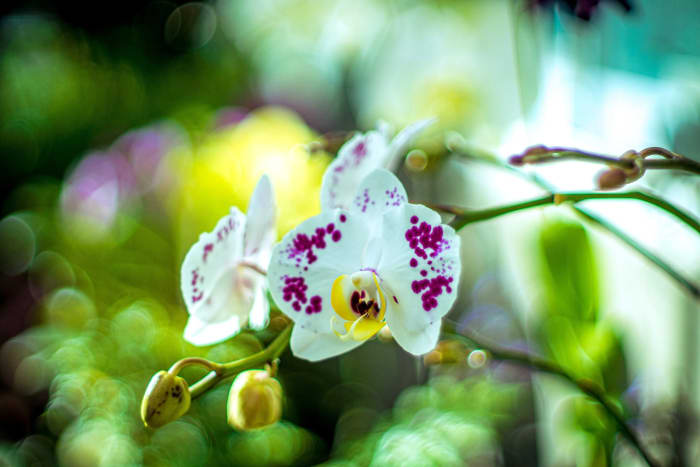
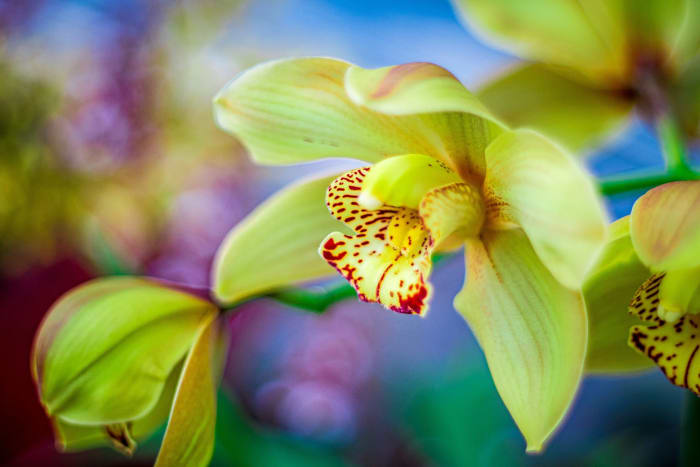
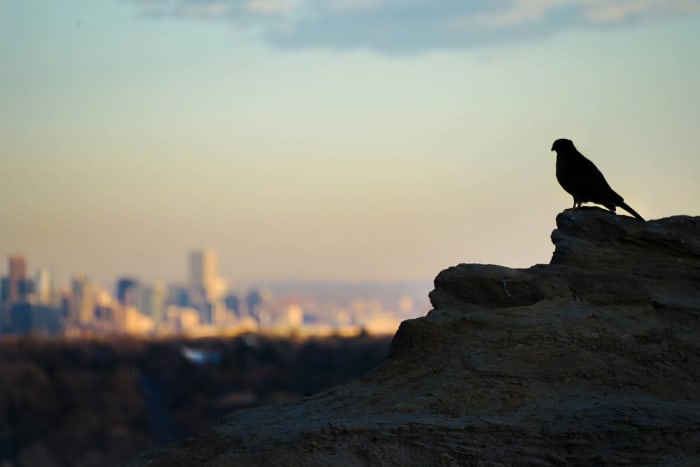
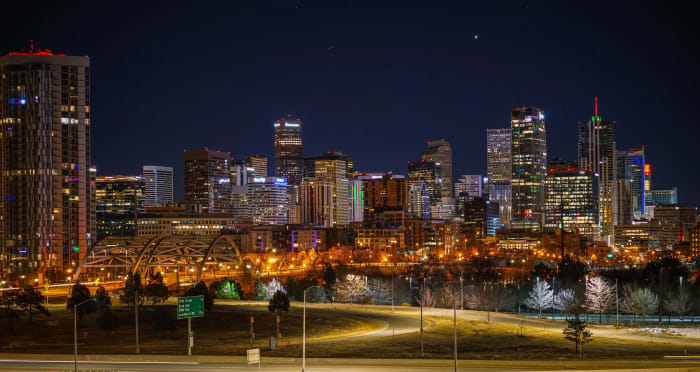
Every photo is available as a print on metal, canvas, wood or fine art paper.


















Frequently asked questions
Can you take photos at Denver Botanic Gardens?
Yes, personal photography is encouraged. Portrait sessions require a paid permit, commercial shoots are not allowed, and drones are prohibited.
Are tripods allowed at Denver Botanic Gardens?
Yes, as long as you and your tripod stay on the paths and out of the beds.
How big is Denver Botanic Gardens?
The York Street location covers about 24 acres. The organization also runs Chatfield Farms in Littleton.
Featured in: Photography Spots Near Denver
Combine it with
Cheesman Park · Denver City Park · Chatfield Farms · Mount Goliath Natural Area
More Colorado spots
Sources & further reading: botanicgardens.org · botanicgardens.org · en.wikipedia.org. Conditions, fees and rules change; check with the managing agency before you go.