Caves of Colorado: Show Caves, Wild Caves and How to Photograph Underground
By Chris Heaton · access details checked October 2026
Colorado is better known for what's above ground, but it has real caves too: commercial show caves full of formations near Colorado Springs and Glenwood Springs, small caves behind a waterfall, and wild caves in the national forests that stay a steady, cool temperature all year. Caves are also home to bats that are threatened by a deadly fungus, so wild caves come with seasonal closures and gear-cleaning rules. Here's where to go, how the rules work and how to come back with sharp photos from the dark.
Show caves with guided tours
The easiest way underground: lit paths, guides and no special gear. Both stay in the low 50s Fahrenheit year-round, so bring a light jacket even in July.
Cave of the Winds
- Getting there
- The Discovery Tour takes 45–60 minutes with 196 stairs ($29 ages 13+, $19 ages 4–12). The Haunted Lantern Tour is 90 minutes for ages 8+. The Expedition Tour is 2.5–3 hours of crawling and ladders ($99, 13+, reservations required). Open daily except Thanksgiving and Christmas.
- What to shoot
- Flowstone, stalactites and the narrow passages lit along the path.
- Good to know
- About 54°F inside. Cameras are encouraged on most tours but not on the Lantern Tour. Not wheelchair accessible.
Glenwood Caverns Adventure Park
- Getting there
- King's Row and the Historic Fairy Caves tours (about 40 minutes each, small groups) come with the park pass; the Wild Cave Tour, with helmets and knee pads, is an add-on that needs advance booking.
- What to shoot
- Dense formations in King's Row, and the Fairy Caves' balcony window with a view over Glenwood Canyon. The gondola ride itself has big views of the town and Mount Sopris.
- Good to know
- About 52°F. Cameras are allowed but monopods and tripods aren't. The gondola can pause 45–90 minutes for wind or lightning.
Caves you can walk into
Rifle Falls State Park
- Getting there
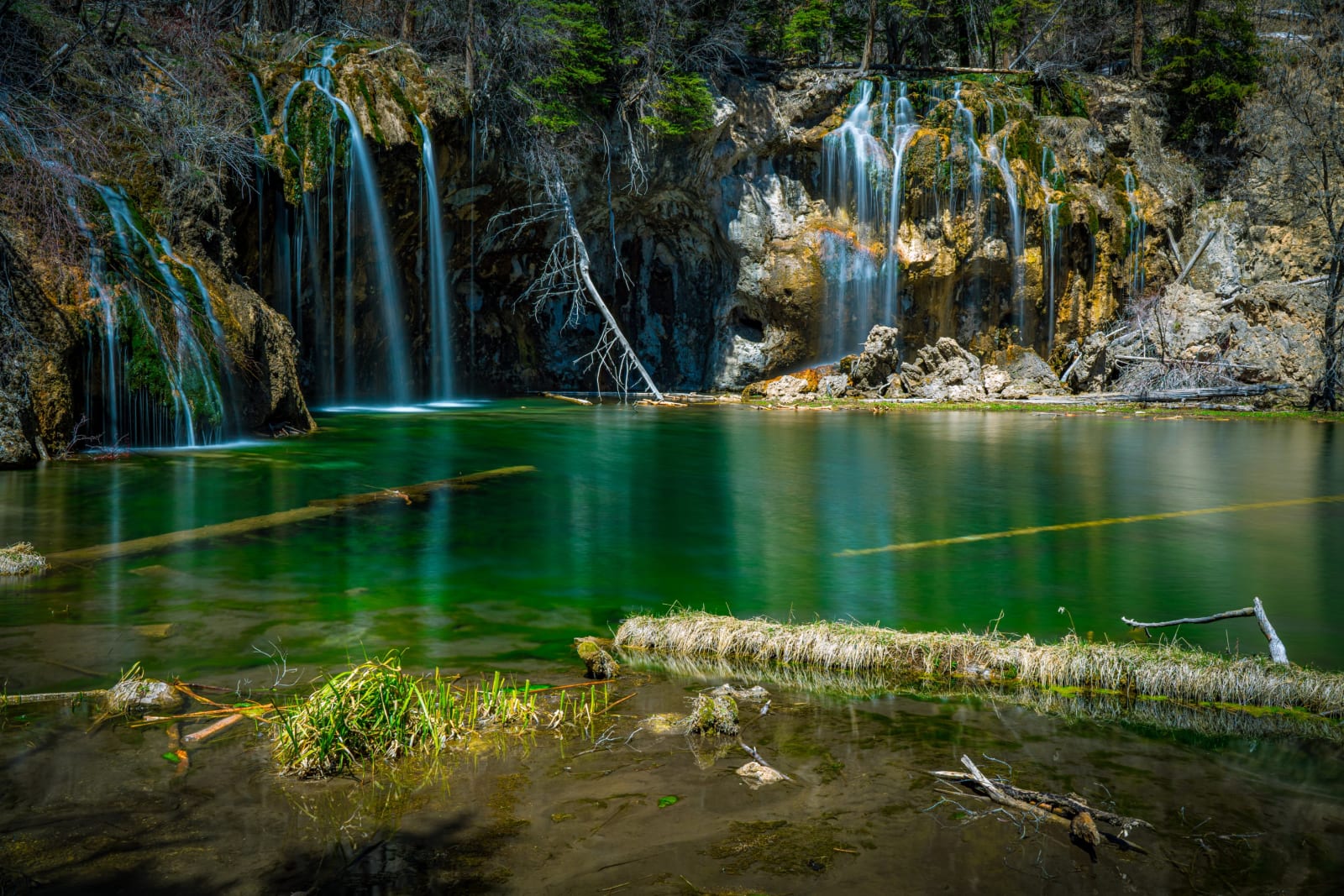
- A short trail to the base of a triple waterfall; small limestone caves sit in the cliff beside and behind it. One room is about 90 feet across and needs a flashlight. State parks pass required.
- What to shoot
- The falls from inside a cave opening, and moss-covered travertine.
- Good to know
- Bats roost in the nearby cliffs; keep voices down and don't shine lights at them. Summer weekends are busy.
Wild caves on national forest land
Wild caves have no lights, rails or guides, and they're risky without caving experience: cold, wet, slippery and easy to get lost in. Go with an experienced caver or a local grotto (caving club), carry three light sources, wear a helmet, and tell someone where you're going.
The Forest Service's Rocky Mountain Region order (in effect through August 31, 2027) keeps most caves open but protects bats from white-nose syndrome, a fungus that has killed millions of bats in North America.
- Anyone entering a cave on Forest Service land in the region must sign a Cave Access Registration form.
- Decontaminate all gear before and after: soak it in water at 131°F or hotter for 20 minutes, or use a 10% bleach solution. Gear used in a cave or state where the disease is present can't be used in Colorado caves.
- Listed bat caves close seasonally, mostly mid-August or mid-October to April 15, and a few are closed year-round.
- Fines run up to $5,000 for individuals.
Spring Cave
- Getting there
- A 0.6-mile trail from South Fork Campground. Registration and decontamination required.
- What to shoot
- A large wild cave with an underground river; experienced cavers only.
- Good to know
- Closed August 15 to April 15 for hibernating bats.
Fulford Cave
- Getting there
- Less than a mile from the campground; the last mile of road is rough.
- What to shoot
- A wild cave in the high country above East Brush Creek; experienced cavers only.
- Good to know
- Closed October 15 to April 15.
Mine tours
Old mine tours are the closest thing to a cave experience along I-70. Check before you go; schedules change.
Argo Mill and Tunnel
- Getting there
- Guided tours of the historic mill, a look into the tunnel portal and gold panning.
- What to shoot
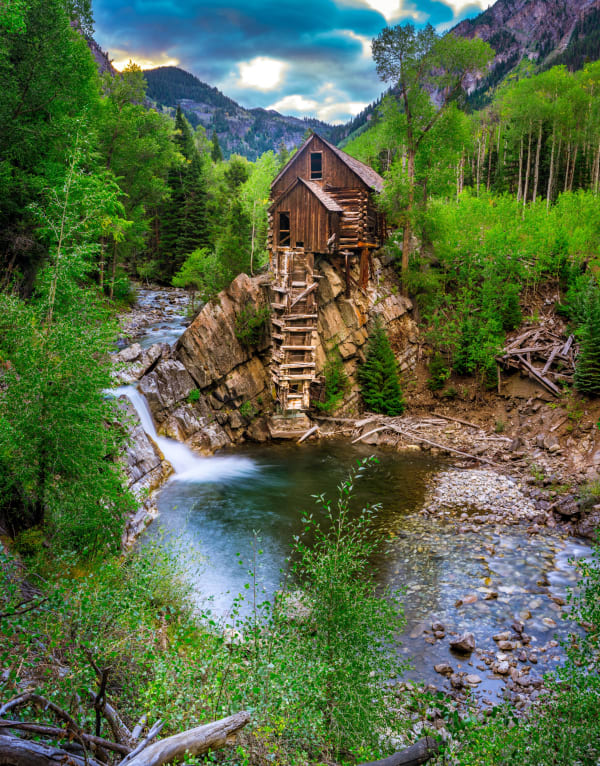
- The huge wooden mill building stepping down the hillside, best in late afternoon.
Phoenix Gold Mine
- Getting there
- Reported in 2026 as a working mine offering about one-hour tours and panning; confirm hours before you go.
Mollie Kathleen Gold Mine
- Good to know
- Closed for the foreseeable future, according to its website. It was known for a 1,000-foot descent in a vertical shaft.
Photographing underground
Caves are dark, humid and often off-limits to tripods, so cave photography is mostly about holding steady and using light well.
- Use your fastest lens and raise the ISO: 3200–6400 is normal underground, and modern cameras handle it well. A wide lens at f/1.8–f/2.8 lets you shoot at 1/30 second or so by hand.
- Brace against a railing or wall (where allowed) instead of a tripod, which most show caves don't permit. Image stabilization helps a lot.
- Show cave lighting mixes colors. Shoot RAW and set white balance afterward, or lean into the warm light for atmosphere.
- Skip the pop-up flash; it flattens formations and annoys other visitors. If flash is allowed, bounce it or light from the side.
- Expect fog: cave air is humid, and a cold lens fogs going in. Let the camera adjust in its bag for a few minutes first.
- Never touch formations. Oils from skin stop them from growing, and many took thousands of years to form.
- In wild caves, a headlamp swept across the scene during a long exposure (light painting) shows the shape of a passage better than a single flash.
Spot guides mentioned here
Useful on this site
- Hidden gem photo spots: Includes Rifle Falls and other quiet places
- Colorado hot springs: Glenwood Springs pairs a cave tour with a soak
- History hikes: Ghost towns, mills and mining history
Questions
What are the best caves to visit in Colorado?
Cave of the Winds in Manitou Springs and Glenwood Caverns in Glenwood Springs are the main guided show caves. Rifle Falls State Park has small caves you can walk into beside a waterfall.
Can you take photos in Colorado caves?
Usually yes. Cave of the Winds encourages cameras except on its Lantern Tour, and Glenwood Caverns allows cameras but not tripods or monopods.
How cold is it inside Colorado caves?
Show caves stay in the low 50s Fahrenheit year-round: about 54°F at Cave of the Winds and 52°F at Glenwood Caverns.
Are wild caves open in Colorado?
Many are, with conditions. On Forest Service land you must register and decontaminate gear to stop white-nose syndrome, and listed bat caves close seasonally, generally from August or October to mid-April.
Is the Mollie Kathleen Gold Mine open?
Its website says it is closed for the foreseeable future. Argo Mill and the Phoenix Gold Mine in Idaho Springs offer mine tours instead.
Fees, reservations and road dates change. Confirm with the managing agency before you go. Sources: caveofthewinds.com, caveofthewinds.com, glenwoodcaverns.com, glenwoodcaverns.com, cpw.state.co.us, fs.usda.gov, fs.usda.gov, goldminetours.com, argomilltour.com.
More guides