Milky Way Photography in Colorado: Dark Skies and Timing
By Chris Heaton · access details checked October 2026
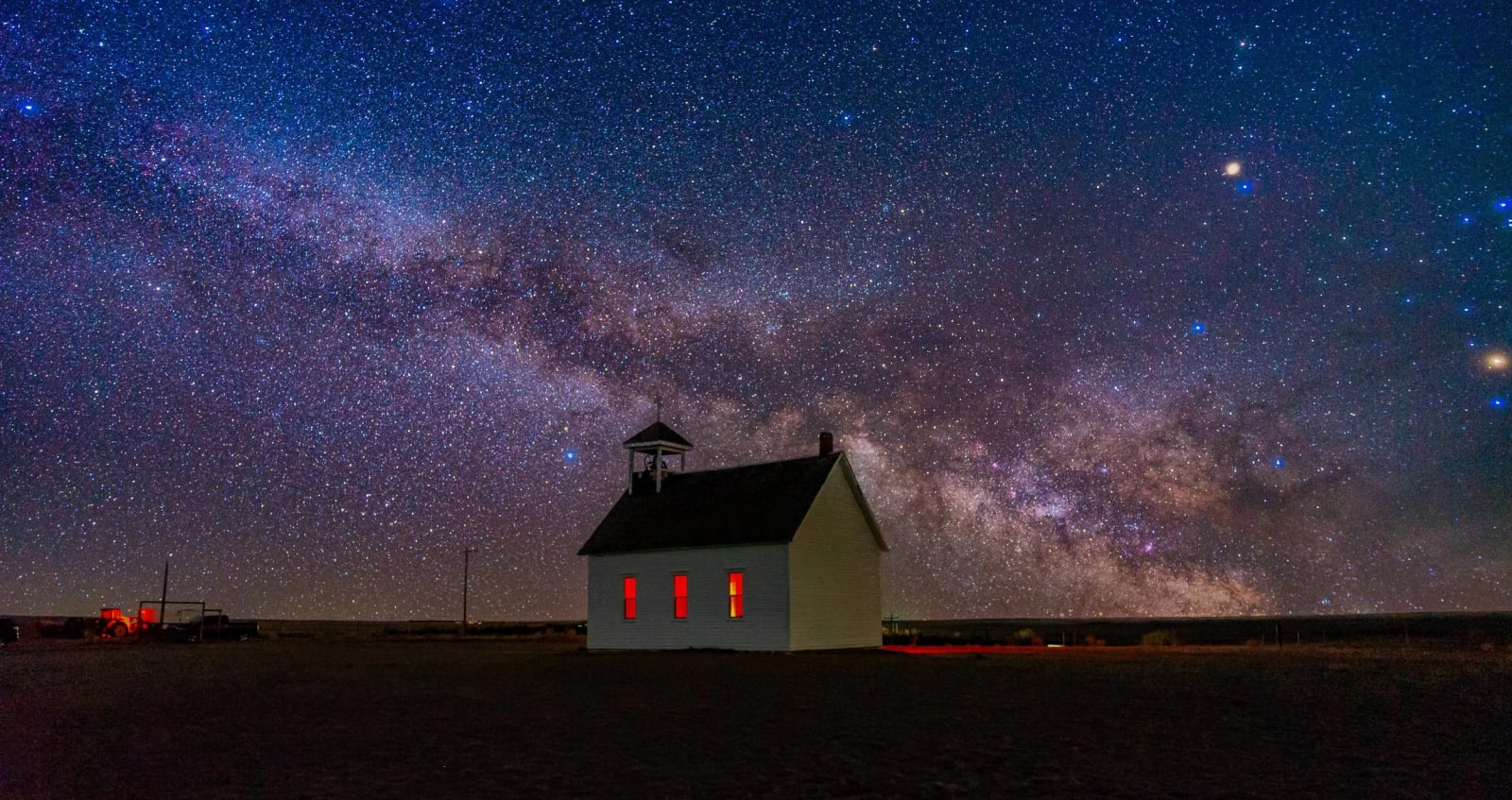
Colorado has some of the darkest skies in the lower 48, especially out on the plains and in the southern valleys. Combine that with high elevation and dry air and you get a Milky Way that looks like a cloud. Here's how to plan a night shoot.
When the Milky Way is visible
The bright center of the Milky Way, the core, is the part most people want to photograph. From Colorado it's visible from roughly February to October, but when you can see it changes through the year.
- February–March: only before dawn, low in the southeast.
- April–May: rises around midnight, then earlier each week; May is when it gets good.
- June–August: peak season; the core is up for much of the night.
- September–October: early evening only, sinking in the southwest; gone by late October.
- November–January: the core isn't visible, but winter skies are still great for stars.
Plan around the moon
Moonlight washes out the Milky Way. Plan for the week around new moon, or for nights when the moon sets early or rises late. The Sun & Moon Planner on this site shows moonrise and moonset for any spot, and the stargazing round-up shows the next good dark window. If you have the 2027 calendar, every new moon is marked.
The darkest places
Light pollution from the Front Range spreads a long way, so get east onto the plains or into the southern and western valleys. Colorado has a long list of International Dark Sky Places; these are some of the best known.
- Great Sand Dunes National Park: dunes in the foreground and very dark skies.
- Westcliffe and Silver Cliff: a Dark Sky Community in the Wet Mountain Valley, below the Sangre de Cristos.
- Black Canyon of the Gunnison: canyon rims under a dark sky.
- Jackson Lake State Park: a Dark Sky Park on the northern plains, closer to Denver.
- Ridgway: a Dark Sky Community with the San Juans as a backdrop.
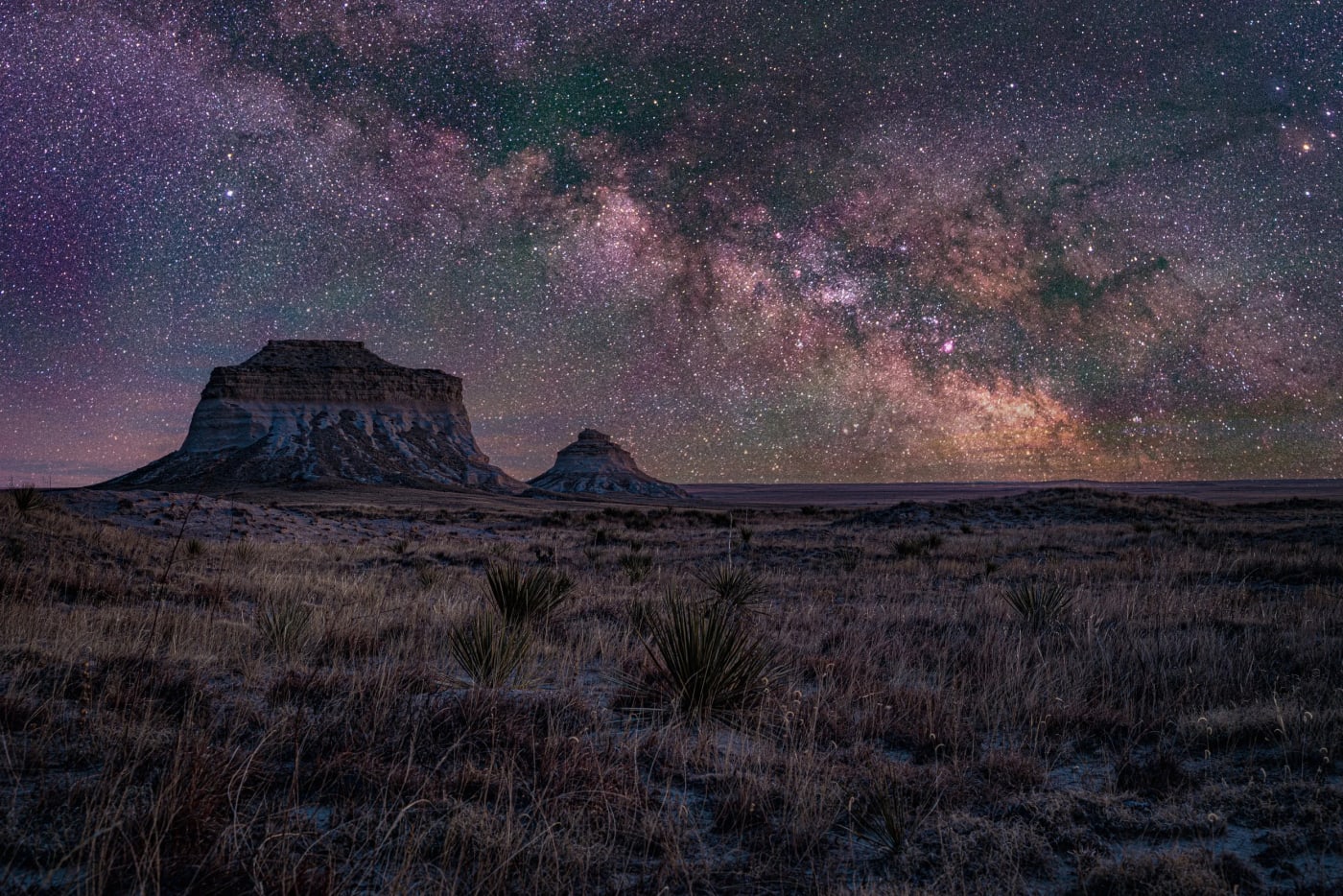
- The Pawnee Grassland and the empty plains east of Denver, like the church at Abbott.
Mountain spots
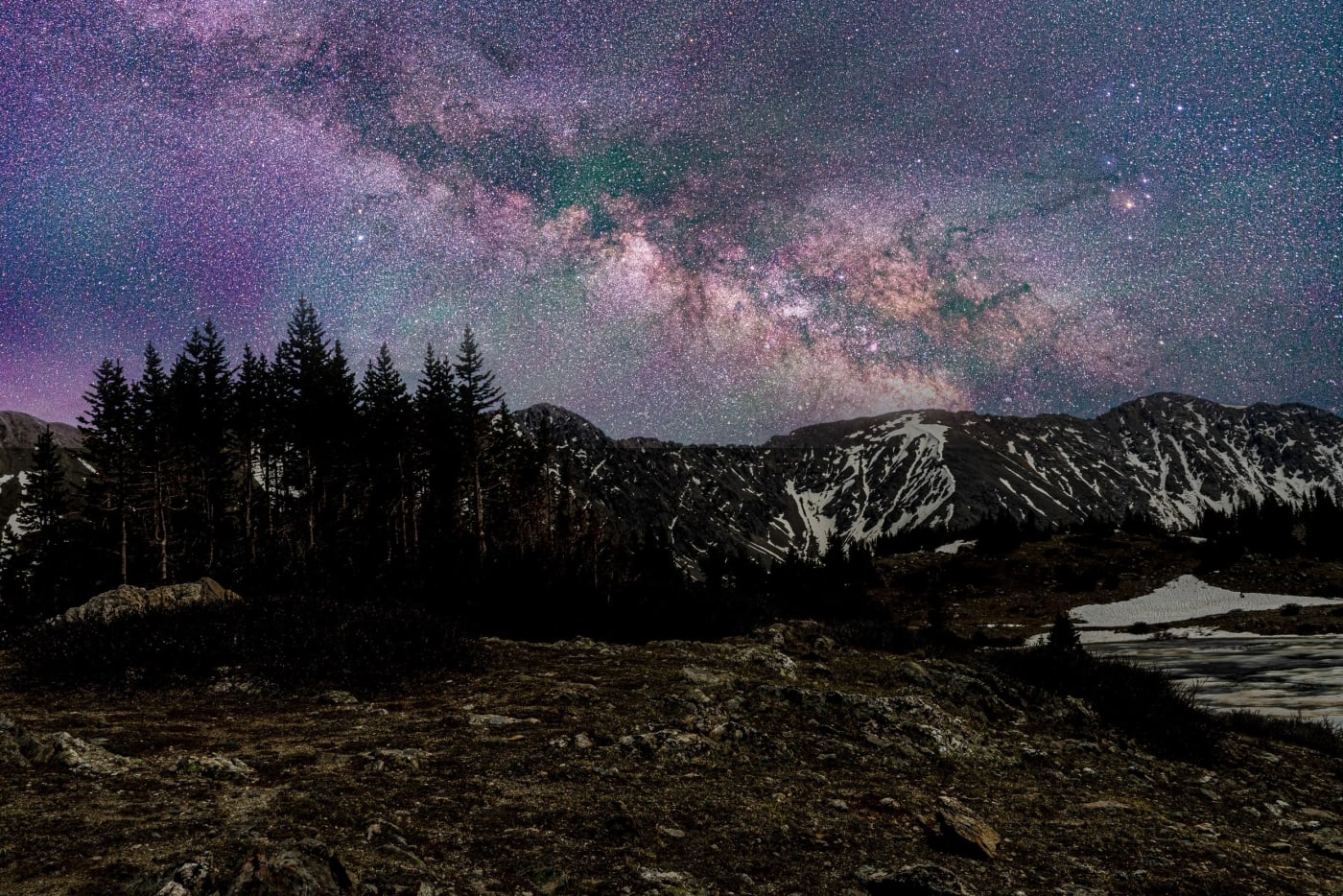
High passes put you above some of the haze, and they give you mountains for a foreground. Loveland Pass is a good choice close to Denver: face south and the core rises over the Divide. Just remember the cold: it can be near freezing at 12,000 feet in July.
Camera settings
Use a sturdy tripod and manual focus, focusing on a bright star with live view zoomed in. Start with these and adjust.
- Lens: wide and fast, 14–24mm at f/1.4–f/2.8.
- Shutter: 15–20 seconds on a full-frame camera at 14–20mm; shorter on longer lenses so stars stay round.
- ISO: 3200–6400.
- White balance: around 3800–4200K, or set it later from RAW.
- Take a few extra frames of the foreground, or one at blue hour, to blend for a cleaner ground.
Spot guides mentioned here
Useful on this site
- Best nights for stars: The next good dark-sky window, updated daily
- Sun & Moon Planner: Moonrise and moonset for any location
- 2027 calendar: Every new and full moon marked
Questions
When can you see the Milky Way in Colorado?
The core is visible from about February to October. The best months are May through August, when it's up for much of the night.
Where is the darkest sky in Colorado?
Some of the darkest are Great Sand Dunes National Park, Westcliffe and Silver Cliff, Black Canyon of the Gunnison and the plains of eastern Colorado.
What settings do I use for the Milky Way?
A good starting point is 14–24mm at f/2.8 or wider, 15–20 seconds and ISO 3200–6400, focused manually on a bright star.
Does the moon matter?
Yes. Moonlight washes out the Milky Way, so shoot near new moon or when the moon is below the horizon.
Fees, reservations and road dates change. Confirm with the managing agency before you go. Sources: darksky.org, astrobackyard.com, denvergazette.com.
More guides