Photographing Colorado in Winter: Spots, Safety and Settings
By Chris Heaton · access details checked October 2026
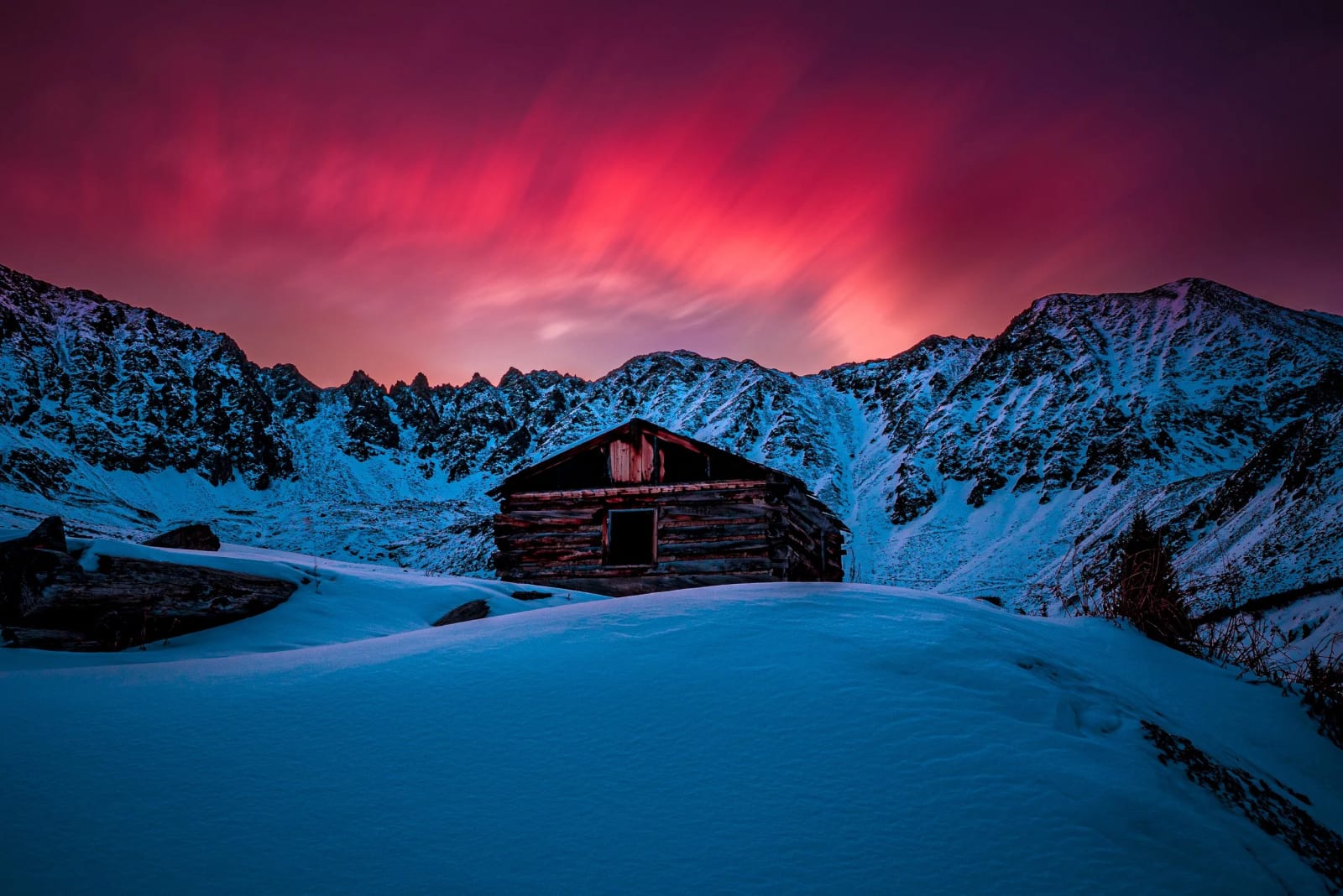
Winter is one of the best times to shoot in Colorado. The crowds thin out, the sun stays low all day, and a fresh snowfall turns ordinary scenes into something special. It also asks more of you: closed roads, traction laws, cold batteries and real avalanche terrain. Here are some of the best winter spots and how to shoot them safely.
Easy winter spots near Denver
You don't need to go deep into the mountains. Some great winter scenes are within an hour or so of Denver, especially the morning after a storm.
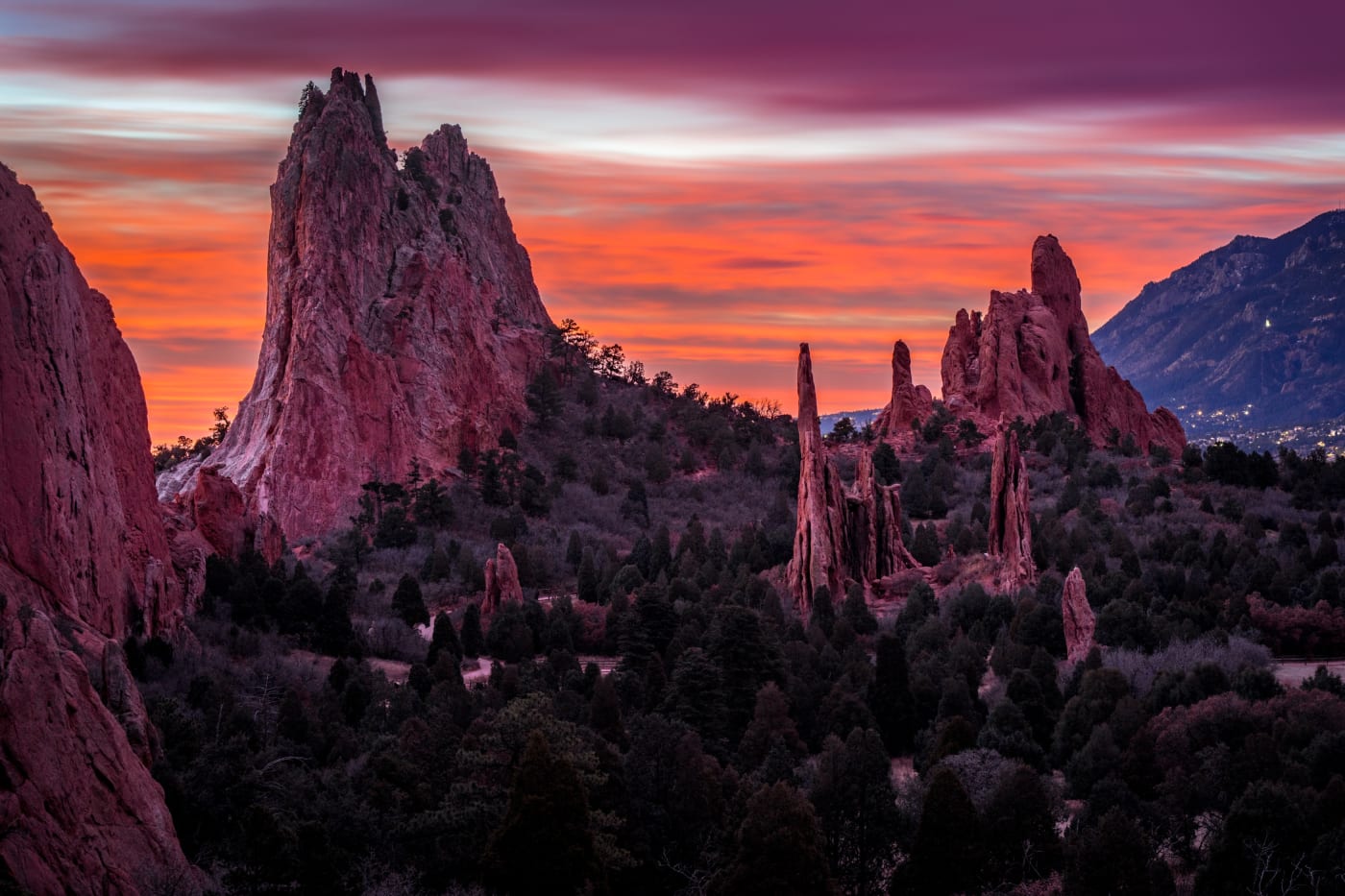
- Garden of the Gods: red rock and fresh snow at sunrise is hard to beat, and the roads are plowed.
- Boulder's Flatirons: first light turns the snowy slabs pink; shoot from Chautauqua.
- Red Rocks Park: the amphitheater and rock formations under snow.
- Paint Mines Interpretive Park: snow settles in every crease of the colored clay.
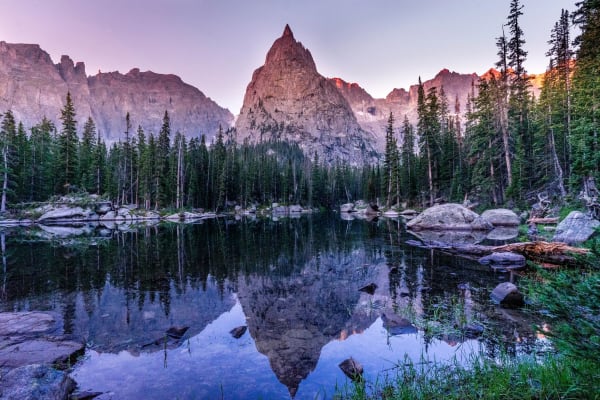
- Echo Lake: a short drive above Idaho Springs; the road past the lake to Mount Blue Sky is closed in winter.
High-country winter classics
Once you're comfortable with winter driving, the high country is where winter really shines.
- Mayflower Gulch: an easy snowshoe off Highway 91 near Copper Mountain to old mining cabins below a ring of peaks.
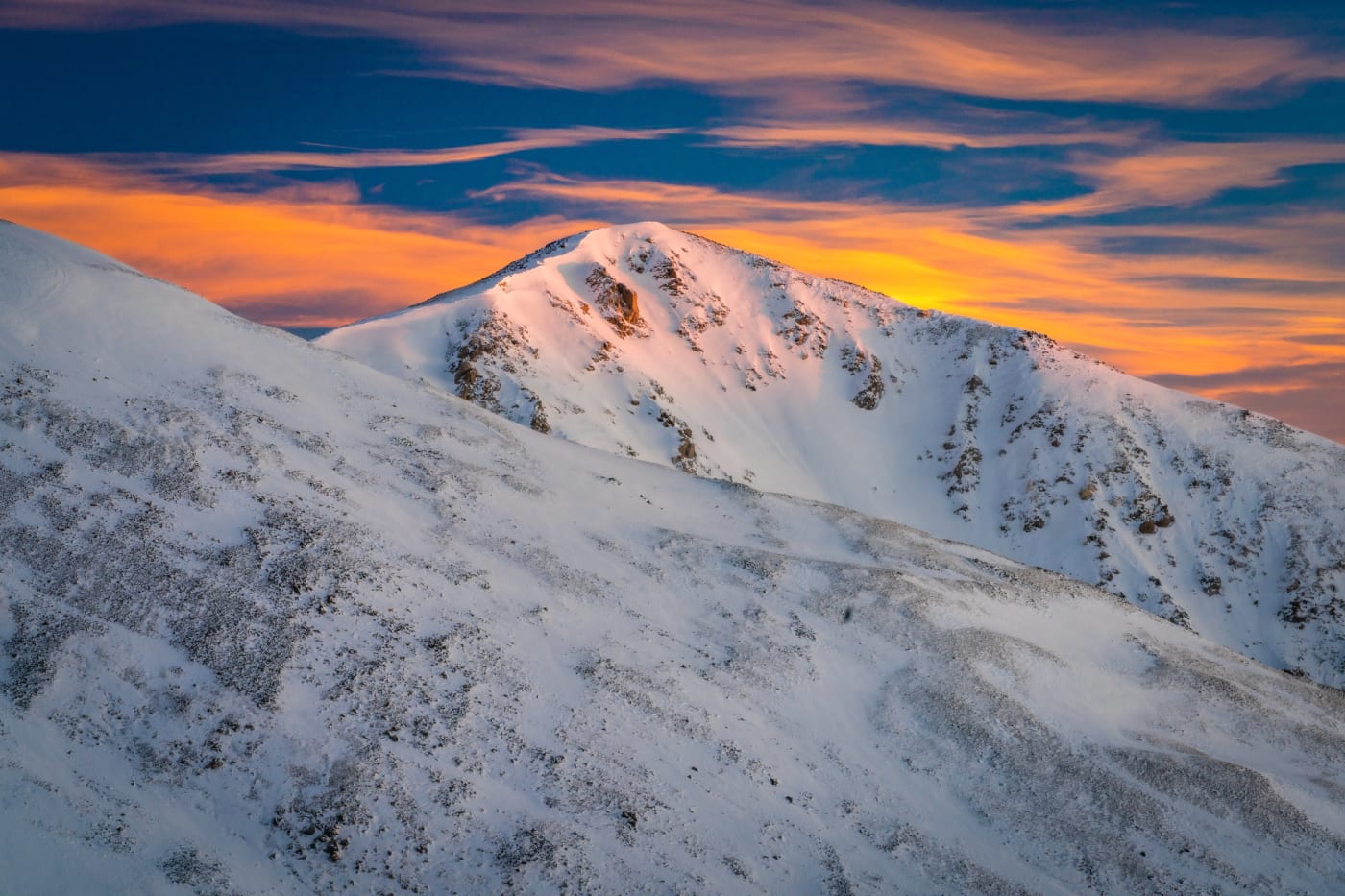
- Loveland Pass: alpine views from the road; the pass is often open, but closes in storms.
- Mount Sniktau and the ridges above Loveland Pass for those with avalanche training.
- Georgetown during the holidays for lights and old mining-town character.
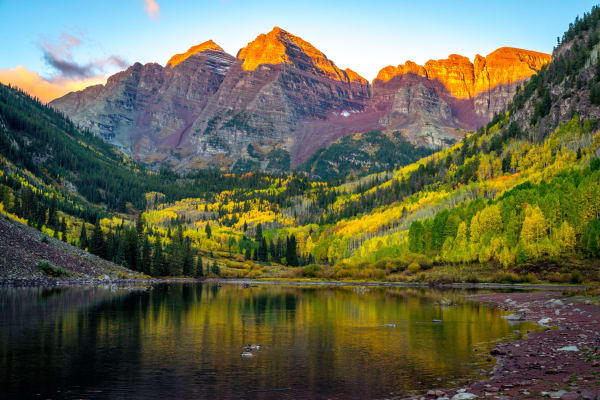
- The Maroon Bells by ski or snowshoe from the winter road closure, a long but quiet day.
Roads and traction laws
Many scenic roads close for the season, including Trail Ridge Road, Independence Pass, Cottonwood Pass, Kebler Pass and the upper Mount Blue Sky road. Plan around them, and check COtrip before you go.
On I-70 between Morrison and Dotsero, the Passenger Vehicle Traction Law applies from September 1 to May 31. Your tires need at least 3/16 inch of tread and a mountain-snowflake, M+S or M/S rating, or you need chains or an approved traction device. AWD or 4WD is strongly recommended. The fine for getting caught short is $100 plus a surcharge, and much more if you block a lane.
Avalanche safety
Lots of beautiful winter terrain is avalanche terrain, including some popular snowshoe routes. Check the Colorado Avalanche Information Center forecast before every trip. If you're going beyond flat, well-traveled trails, take an avalanche course and carry a beacon, shovel and probe, with partners who know how to use them. When in doubt, shoot from the road or the valley floor; the light is just as good.
Exposing for snow
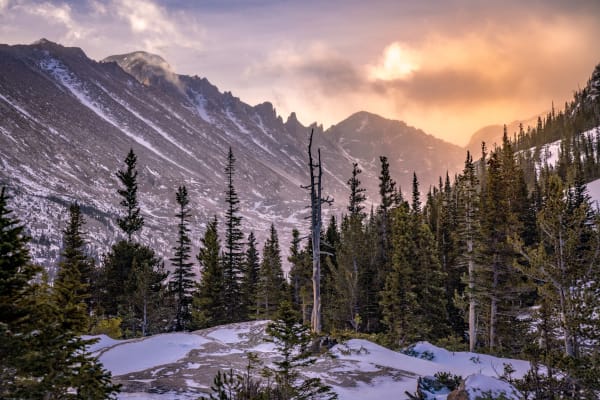
Cameras try to make everything medium gray, so bright snow often comes out dull and blue-gray. Add +1 to +2 stops of exposure compensation, then check the histogram so you don't clip the highlights. Shoot RAW to fix the blue cast, and use the low winter sun: side light brings out every drift and ripple.
Keeping gear working in the cold
- Batteries drain fast in the cold. Keep spares in an inside pocket and swap them as they fade.
- Before going back inside, seal the camera in a bag so condensation forms on the bag, not the lens.
- Thin liner gloves under mittens let you work the controls without freezing.
- Breathe away from the viewfinder and front element so they don't fog or frost.
Spot guides mentioned here
Useful on this site
- Planning Your Shot: Pass closures, trail snow and avalanche danger in one place
- Winter photo spots: Every winter-friendly spot on the site
- 2027 calendar: Includes Mayflower Gulch and Loveland Pass in winter
Questions
Where can I photograph snow near Denver?
Garden of the Gods, the Flatirons in Boulder, Red Rocks Park and the Paint Mines are all within about an hour and a half of Denver and look their best the morning after a snowfall.
What is Colorado's traction law?
On I-70 between Morrison and Dotsero from September 1 to May 31, passenger vehicles need tires with at least 3/16 inch of tread and a winter, M+S or mountain-snowflake rating, or chains or an approved traction device.
Which Colorado roads close in winter?
Trail Ridge Road, Independence Pass, Cottonwood Pass, Kebler Pass and the upper Mount Blue Sky road all close for the season, typically from fall until late May.
How do I expose for snow?
Add about +1 to +2 stops of exposure compensation so snow comes out white, and watch the histogram to avoid clipping highlights.
Fees, reservations and road dates change. Confirm with the managing agency before you go. Sources: codot.gov, codot.gov, avalanche.state.co.us, cotrip.org.
More guides