← All themes · All hikes and spots
Best Alpine Lake Hikes in Colorado
High alpine lakes are the classic Colorado reward: still water, a wall of peaks and wildflowers along the shore. These hikes range from easy strolls in Rocky Mountain National Park to long days into the Indian Peaks and San Juans.
Tip: Reflections are best in the calm before the wind picks up, usually the first hour or two after sunrise. Afternoon storms build quickly in summer, so plan to be heading down by early afternoon.
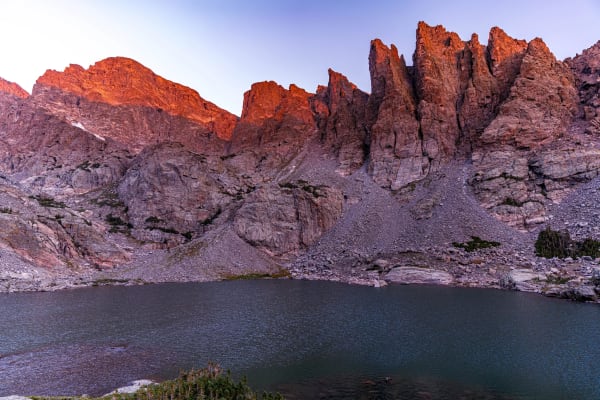
1.Sky Pond
Scramble beside Timberline Falls to a stark alpine lake ringed by the Sharkstooth and Taylor Peak.
Distance: About 9 mi round trip · Elevation gain: About 1,780 ft · Lake elevation: About 10,900 ft
Best light: Early morning light hits Taylor Peak and the Sharkstooth while the basin is still calm; most photographers time a pre-dawn start to reach the lakes in golden light. July brings wildflowers and roaring waterfalls, and September offers crisp light and fewer storms.
Full guide →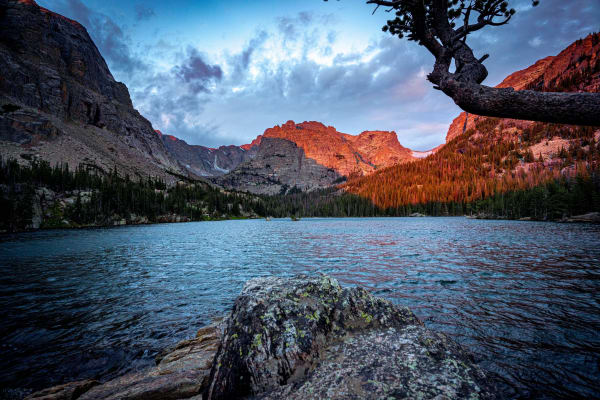
2.The Loch
A moderate walk past Alberta Falls to a sparkling subalpine lake beneath Taylor Peak and the Sharkstooth.
Distance: About 5.7 mi round trip · Elevation gain: About 1,040 ft · Lake elevation: 10,190 ft
Best light: Morning is best: the peaks at the head of Loch Vale catch early light while the lake often sits calm, though wind can rise quickly. Mid to late September brings aspen color around Alberta Falls, and winter turns The Loch into a frozen, snow-covered amphitheater.
Full guide →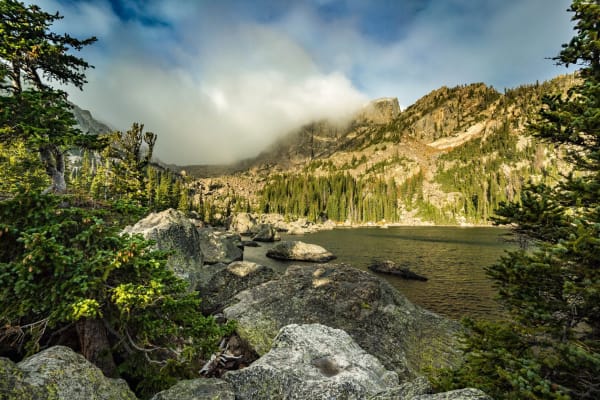
3.Lake Haiyaha
A boulder-strewn lake below Hallett and Otis Peaks that turned turquoise after a 2022 rockslide.
Distance: 4.2 mi round trip · Elevation gain: About 745 ft · Trailhead: Bear Lake Trailhead
Best light: Morning is best: the lake looks west into Chaos Canyon, so sunrise lights Hallett and Otis Peaks from the front while the basin is calm. Late morning sun can intensify the turquoise color but brings harsher light and more people. Fall and early winter offer fewer crowds and snow on the peaks.
Full guide →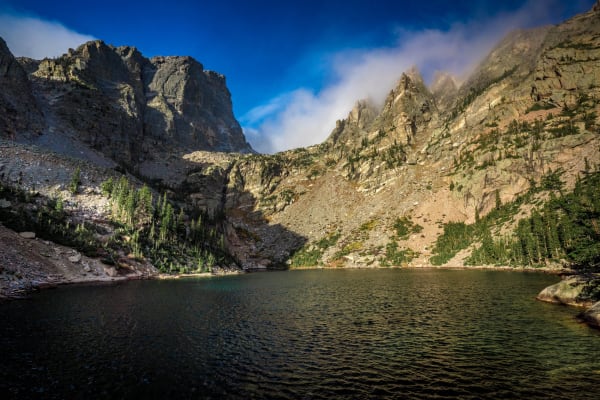
4.Emerald Lake
Three lakes in under two miles, ending beneath the towering face of Hallett Peak.
Distance: About 3.5 mi round trip · Elevation gain: About 650 ft · Lake elevation: 10,110 ft
Best light: Sunrise is the classic: Hallett Peak's face catches warm first light above Emerald and Dream Lakes while the water is calm. Late June through August adds wildflowers between Nymph and Dream Lake, and winter brings frozen lakes and snow-plastered peaks with far fewer people.
Full guide →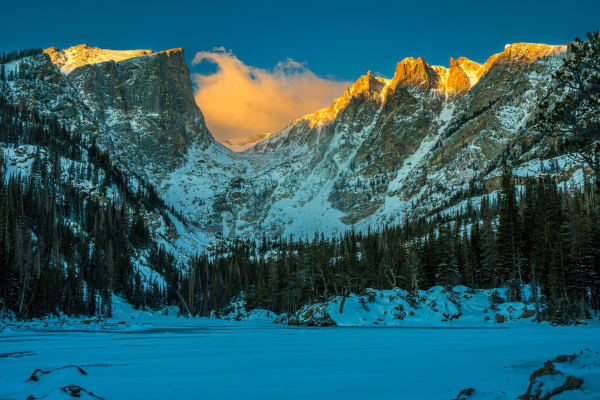
5.Dream Lake
Rocky Mountain National Park's postcard lake, framed by Hallett Peak and Flattop Mountain.
Distance: 2.2 mi round trip · Elevation gain: About 425 ft · Lake elevation: About 9,900 ft
Best light: Sunrise is the classic: you look west up the lake as first light turns Hallett Peak orange while the water is often glassy. Arrive well before sunrise for a calm surface. Late September brings golden grasses and occasional early snow; winter offers frozen shoreline textures and far fewer people.
Full guide →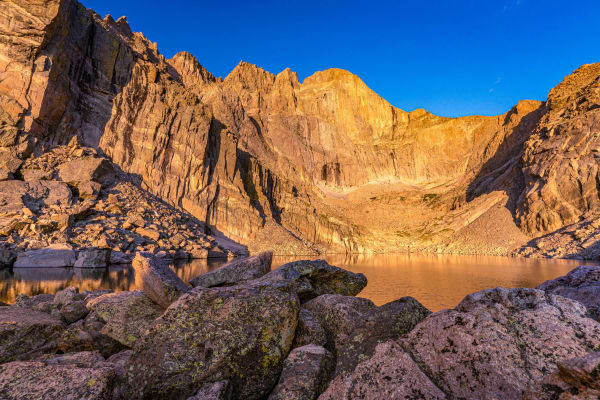
6.Chasm Lake
Stand at the foot of Longs Peak's 2,400-foot Diamond face, one of the most dramatic lake views in Colorado.
Distance: About 8.5-8.8 mi round trip · Elevation gain: About 2,500 ft · Lake elevation: About 11,800 ft
Best light: Sunrise is the reason to go: the Diamond faces east and turns fiery orange in first light, with the lake below still in shadow. July and August bring wildflowers near Columbine Falls, and the snow-free window is roughly July through October.
Full guide →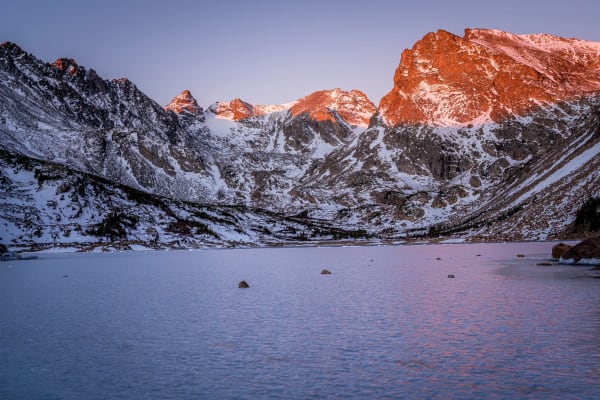
7.Lake Isabelle
A broad alpine lake beneath Navajo, Apache and Shoshoni Peaks in the Indian Peaks.
Distance: About 4.5 mi round trip from Long Lake TH · Elevation gain: About 500 ft · Lake elevation: About 10,800 ft
Best light: The peaks sit to the west, so sunrise lights Navajo, Apache and Shoshoni while the lake is still calm, with good odds of a reflection. Go before August, when the lake is often drawn down, or in late September; July brings wildflowers along the trail.
Full guide →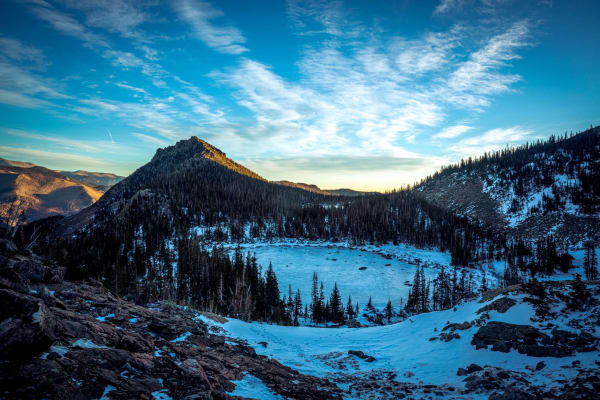
8.Lake Helene
A quiet subalpine lake beneath the jagged spire of Notchtop Mountain, just off the busy Bear Lake trails.
Distance: About 6.5 mi round trip · Elevation gain: About 1,300 ft · Trail high point: About 10,700 ft
Best light: Sunrise is the shot: the east-facing cliffs of Notchtop catch alpenglow first while the lake below stays calm. Mid to late September adds gold from the aspen groves near the start of the trail, and July brings wildflowers in the meadows around the lake.
Full guide →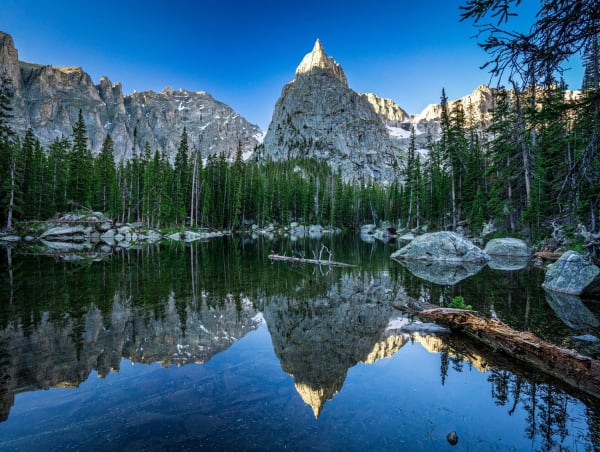
9.Lone Eagle Peak
A slender granite spire rising above Mirror and Crater Lakes deep in the Indian Peaks Wilderness.
Summit elevation: 11,946 ft · Distance: About 14 mi round trip to Mirror and Crater Lakes · Elevation gain: About 2,200 ft
Best light: Mirror Lake is the money spot, and it is calmest early: plan to be there by about 8 a.m. or earlier before wind breaks up the reflection. Sunrise light hits the spire from the east, and overnight campers can also catch evening alpenglow. Wildflowers peak in July; September brings fewer bugs and crisp skies.
Full guide →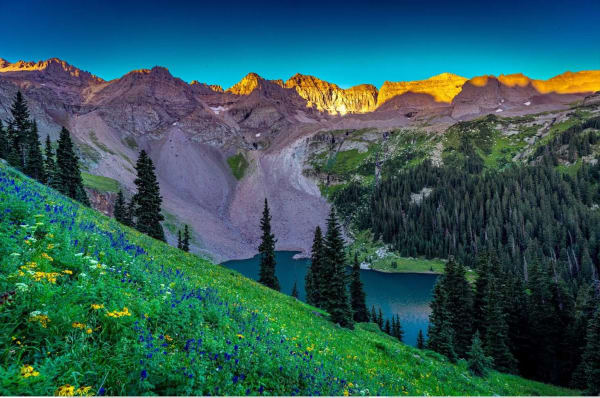
10.Lower, Middle and Upper Blue Lakes
Three turquoise tarns stacked beneath Mount Sneffels in the Sneffels Range near Ridgway.
Distance: About 8-8.6 mi round trip to Upper Blue Lake · Elevation gain: About 2,400 ft · Lake elevations: Lower ~10,980 ft; Upper ~11,720 ft
Best light: Mount Sneffels rises east of the lakes, so it is backlit at sunrise and lit on its west face in the afternoon and evening, when storms are also most likely. Early morning still gives the calmest water and soft light on Dallas and Gilpin peaks to the south. Late July and August bring wildflowers; higher sun intensifies the turquoise, so a polarizer earns its keep.
Full guide →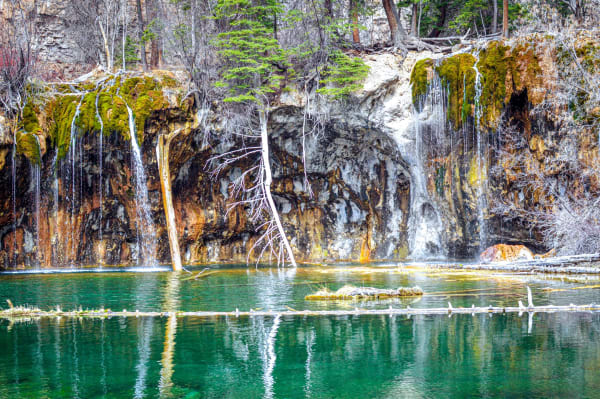
11.Hanging Lake
A turquoise travertine lake fed by waterfalls, reopened in 2026 after a five-year rebuild.
Distance: About 2.4 mi round trip · Elevation gain: About 1,000-1,200 ft · Difficulty: Moderate to strenuous (steep, rocky)
Best light: The lake sits in a shaded hanging valley, so soft light — overcast days or times when the lake is fully in shade — gives the best color and avoids blown-out falls. Fall brings gold to the surrounding trees, and spring runoff boosts the waterfalls.
Full guide →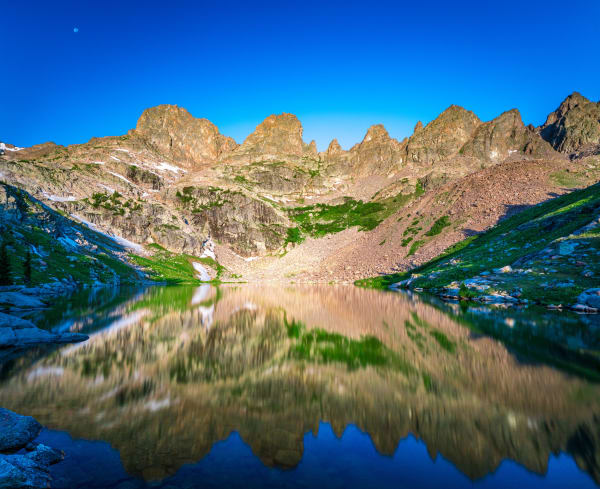
12.Willow Lakes Trail (Gore Range)
A long climb out of Silverthorne to a chain of lakes beneath Red Peak and the jagged Zodiac Spires.
Distance: About 12 mi round trip from Willowbrook · Elevation gain: About 2,700 ft · High point: About 11,450 ft
Best light: Morning gives the calmest water and the best chance at reflections of Red Peak and the spires, and it also keeps you ahead of afternoon storms. Late September adds golden willows and frosty edges around the lakes.
Full guide →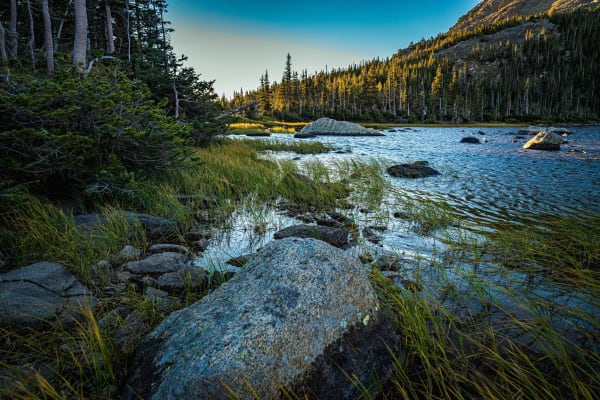
13.Diamond Lake Trail
Waterfalls, wildflower meadows and a subalpine lake tucked beneath the Divide in the Indian Peaks.
Distance: About 5.8 mi round trip to Diamond Lake · Elevation gain: About 1,100 ft · Lake elevation: About 10,940 ft
Best light: Morning is best: you'll usually find calmer water for reflections and clearer skies before summer afternoon storms build over the Divide. Mid-July through early August is peak wildflower season; mid to late September adds golden willows and fewer people.
Full guide →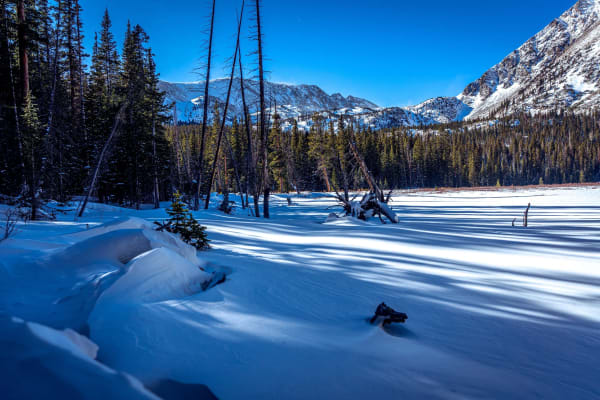
14.Mohawk Lakes
Waterfalls, mining cabins and twin alpine lakes stacked above Breckenridge in the Tenmile Range.
Distance: About 6-7 mi round trip from Spruce Creek TH · Elevation gain: About 1,400-1,800 ft, depending on lake · Lake elevation: Lower Mohawk ~11,850 ft
Best light: Morning is best for calm lakes and soft light on Continental Falls. Late July into early August is peak wildflower season in the upper basin. Snowmelt in June and early July makes the falls thunder, but the upper trail may still hold snow. Clouds often build by midday, so plan to shoot the lakes early.
Full guide →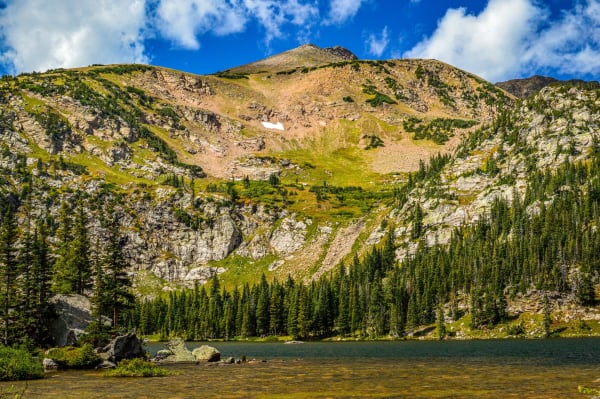
15.Crater Lakes
A cluster of lakes beneath the Continental Divide, reached from the Moffat Tunnel's East Portal.
Distance: About 6 mi round trip (more to the upper lakes) · Elevation gain: About 1,400-2,200 ft depending on route · Trailhead: Moffat Tunnel East Portal TH
Best light: Early morning is best for calm reflections of the Divide in the lower lakes, before wind and afternoon storms arrive. Mid-July brings wildflowers in the meadows along South Boulder Creek, and mid to late September adds golden willows and fewer crowds.
Full guide →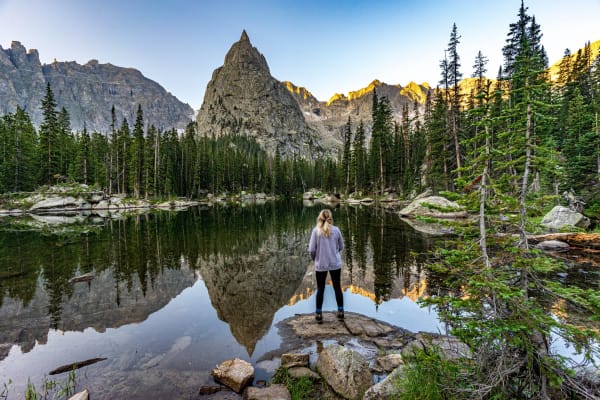
16.Cascade Creek Trail
A long, waterfall-lined climb from Monarch Lake to two alpine lakes beneath the spire of Lone Eagle Peak.
Distance: About 14-15 mi round trip to Crater Lake · Elevation gain: Roughly 2,400-2,700 ft · Difficulty: Moderate trail, strenuous length
Best light: Early morning is the money window: the air is calmest, Mirror Lake is most likely to hold a clean reflection, and Lone Eagle Peak picks up side light from the east. Mid-July through August brings wildflowers along the creek and around the lakes.
Full guide →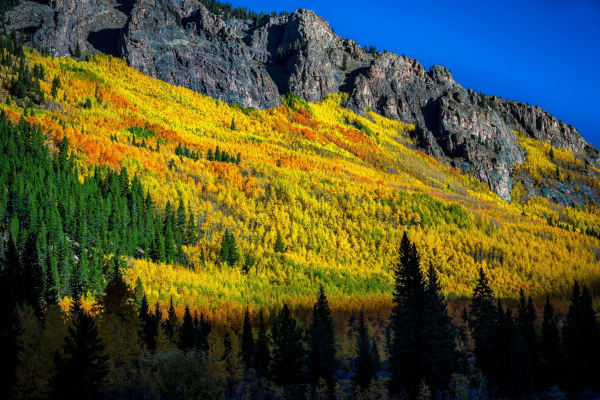
17.Abyss Trail to Helms Lake
A long, quiet wilderness walk up Scott Gomer Creek to a willow-lined lake beneath Mount Bierstadt.
Distance: About 12 mi round trip to Helms Lake; about 17-18 mi to Abyss Lake · Elevation gain: Roughly 2,400 ft to Helms Lake · Difficulty: Strenuous (long)
Best light: Morning is best at Helms Lake, when Mount Bierstadt's slopes catch side light and the lake is calm. Late September brings gold to the aspens and willows along the lower trail, and July adds wildflowers to the upper meadows.
Full guide →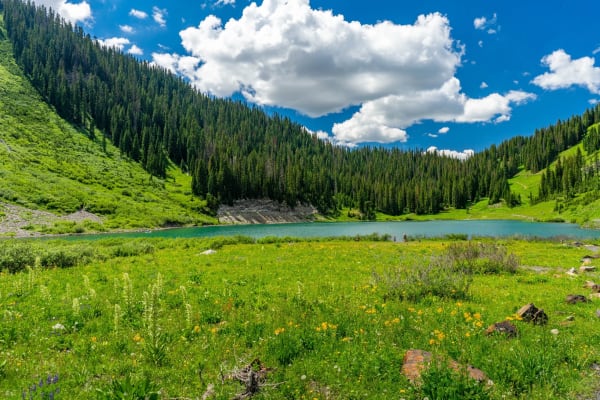
18.Emerald Lake (Crested Butte)
A high, green-tinted lake just below Schofield Pass, in the heart of Crested Butte's wildflower country.
Lake elevation: About 10,450 ft · County: Gunnison · Access: Gothic Road (FS 317) north of Crested Butte, below Schofield Pass
Best light: Early morning gives you the best shot at a still surface and the deepest green color before wind ripples the lake. Early July through August is wildflower season around Schofield Pass, and late September aspen color lower on Gothic Road makes the drive itself worth shooting.
Full guide →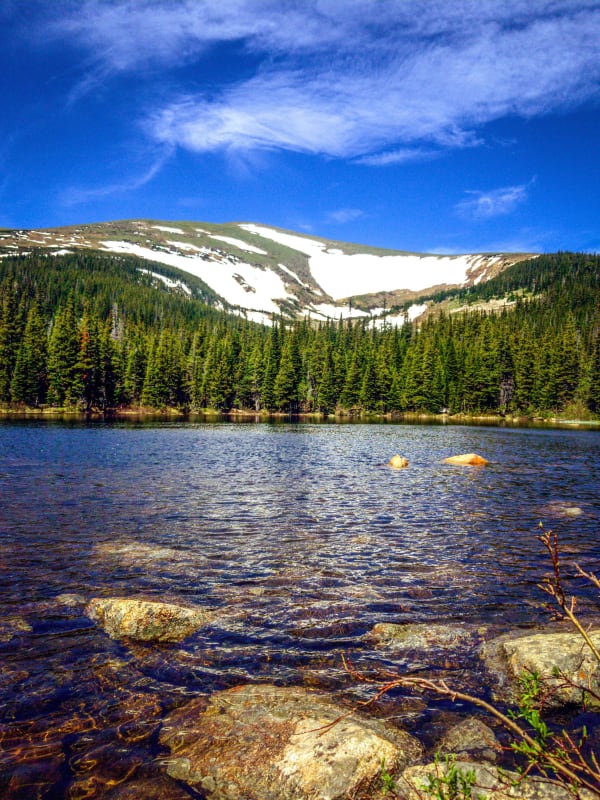
19.Rainbow Lakes
A short, gentle walk to a string of forest-ringed lakes and beaver ponds on the edge of the Indian Peaks Wilderness.
Distance: About 3 mi round trip · Highest lake: About 10,250 ft · Difficulty: Easy
Best light: The lakes sit in trees with the Arapaho high country to the west, so calm early mornings give the best reflections before wind picks up. Late June through July brings wildflowers along the wet margins, and the last light of evening warms the treetops while the water stays glassy.
Full guide →
More Colorado guides
Best Fall Color Spots in Colorado · Best Sunrise Photography Spots in Colorado · Easy Colorado Hikes With Big Views · Winter Photography Spots in Colorado · Colorado 14ers: Hiking and Photography Guide · Photography Spots Near Denver · Best Wildflower Hikes in Colorado · Colorado Waterfall Hikes · Where to Photograph Wildlife in Colorado · Night Sky and Storm Photography in Colorado