← All themes · All hikes and spots
Best Wildflower Hikes in Colorado
Colorado's wildflower season peaks in July and early August, when columbines, lupine and sunflowers fill the high meadows. Crested Butte calls itself the wildflower capital of Colorado for good reason, but these trails across the state are just as good in a strong year.
Tip: Check the live Wildflowers Right Now page for bloom timing. Overcast days are great for flowers: soft light, no harsh shadows, and saturated color. Stay on the trail so the meadows survive for next year.
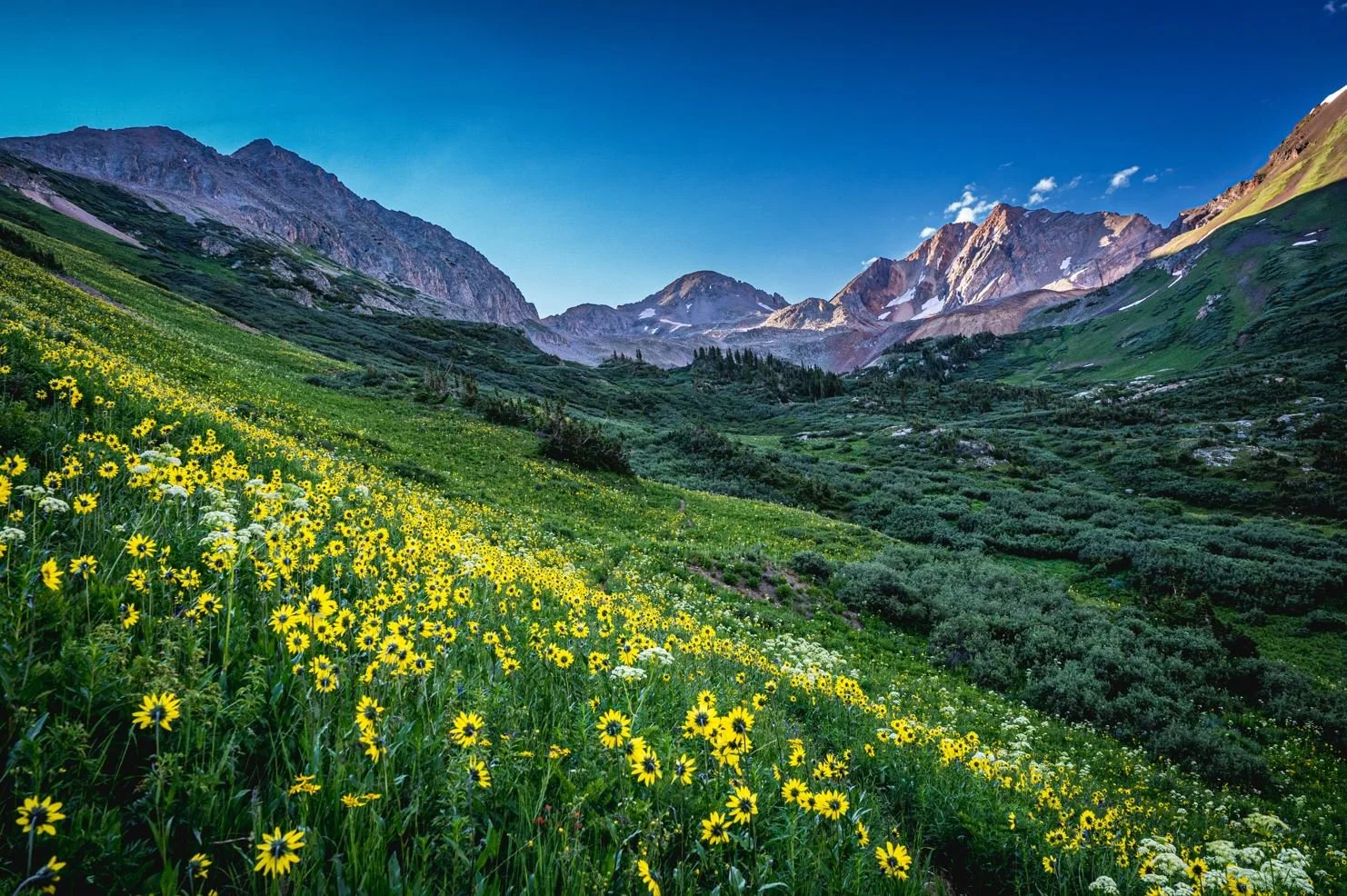
1.Rustler's Gulch
A wildflower-choked valley above Gothic that ends beneath a ring of 13,000-foot peaks.
Distance: About 8-9 mi round trip, depending on parking · Elevation gain: About 1,300-1,800 ft · Trailhead elevation: About 10,240 ft
Best light: Mid-July through early August for peak wildflowers. The gulch heads north from the Gothic Road toward the cirque, so morning light rakes across the meadows from the east; late-afternoon light warms the peaks but comes with storm risk. Overcast mornings are perfect for saturated flower color.
Full guide →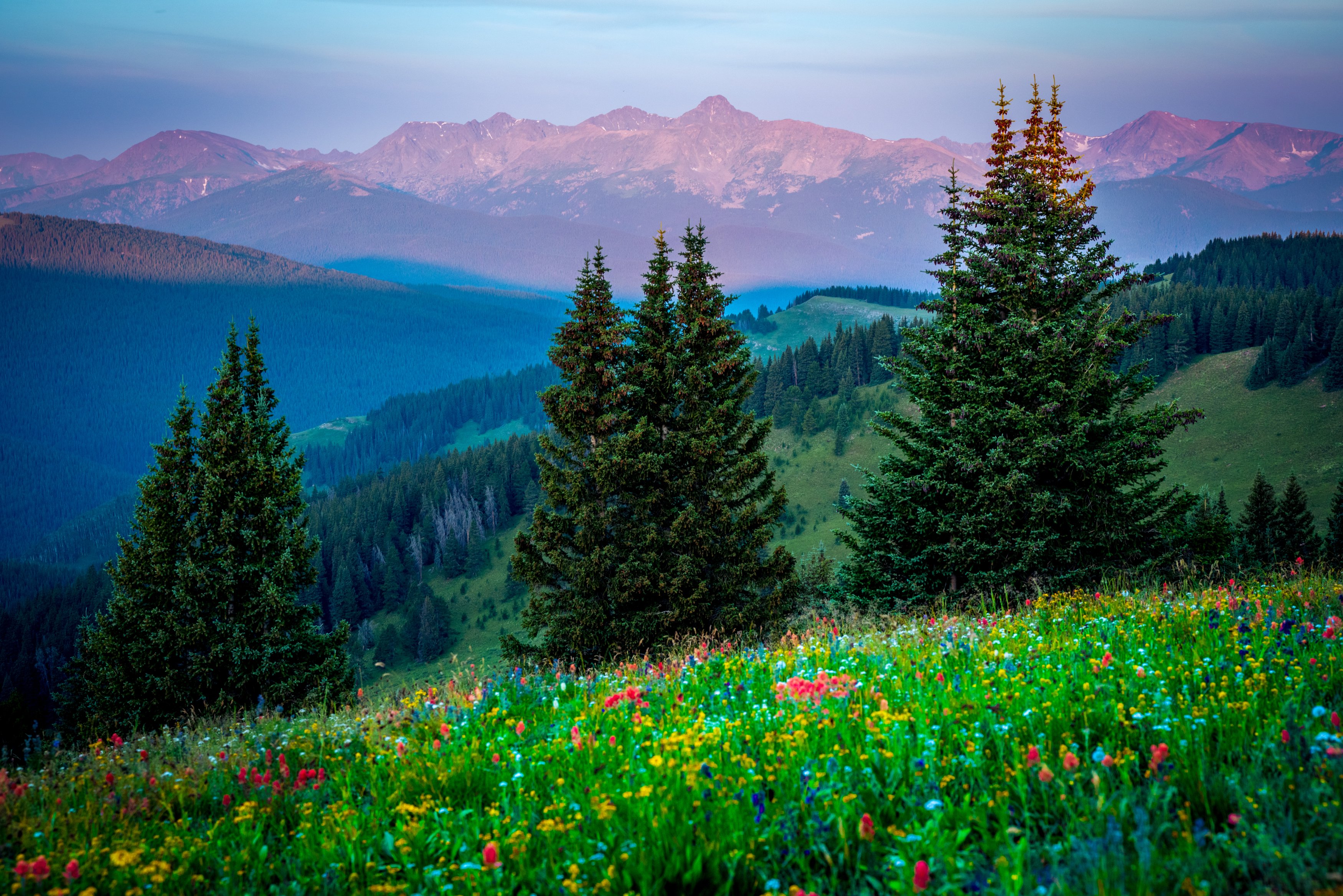
2.Shrine Pass
A high dirt road off Vail Pass with wildflower meadows and a distant view of Mount of the Holy Cross.
Elevation: 11,094 ft · Road: Unpaved; high-clearance recommended · Shrine Ridge Trail: About 2.2 mi one way, roughly 750-850 ft gain
Best light: Morning brings calm air for wildflower close-ups and side light on the meadows; Mount of the Holy Cross lies to the west and catches warm evening light. Wildflowers typically peak mid to late July after the snow melts, and early-season drifts can linger into July.
Full guide →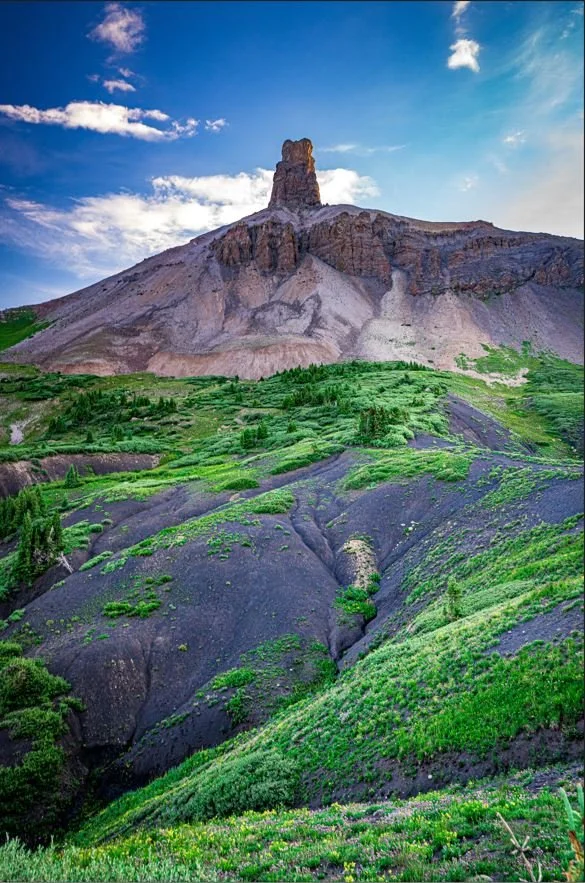
3.Lizard Head Pass
A high San Juan pass south of Telluride, watched over by a crumbling volcanic spire.
Pass elevation: 10,222 ft · Road: CO 145 (San Juan Skyway), paved · Distance from Telluride: About 10-12 miles south
Best light: Lizard Head and the Wilsons sit west of the pass, so from the road their east faces are lit head-on in the morning and silhouetted at sunset. Mid-July to early August brings the wildflower meadows, and late September adds gold aspens on the slopes around Trout Lake.
Full guide →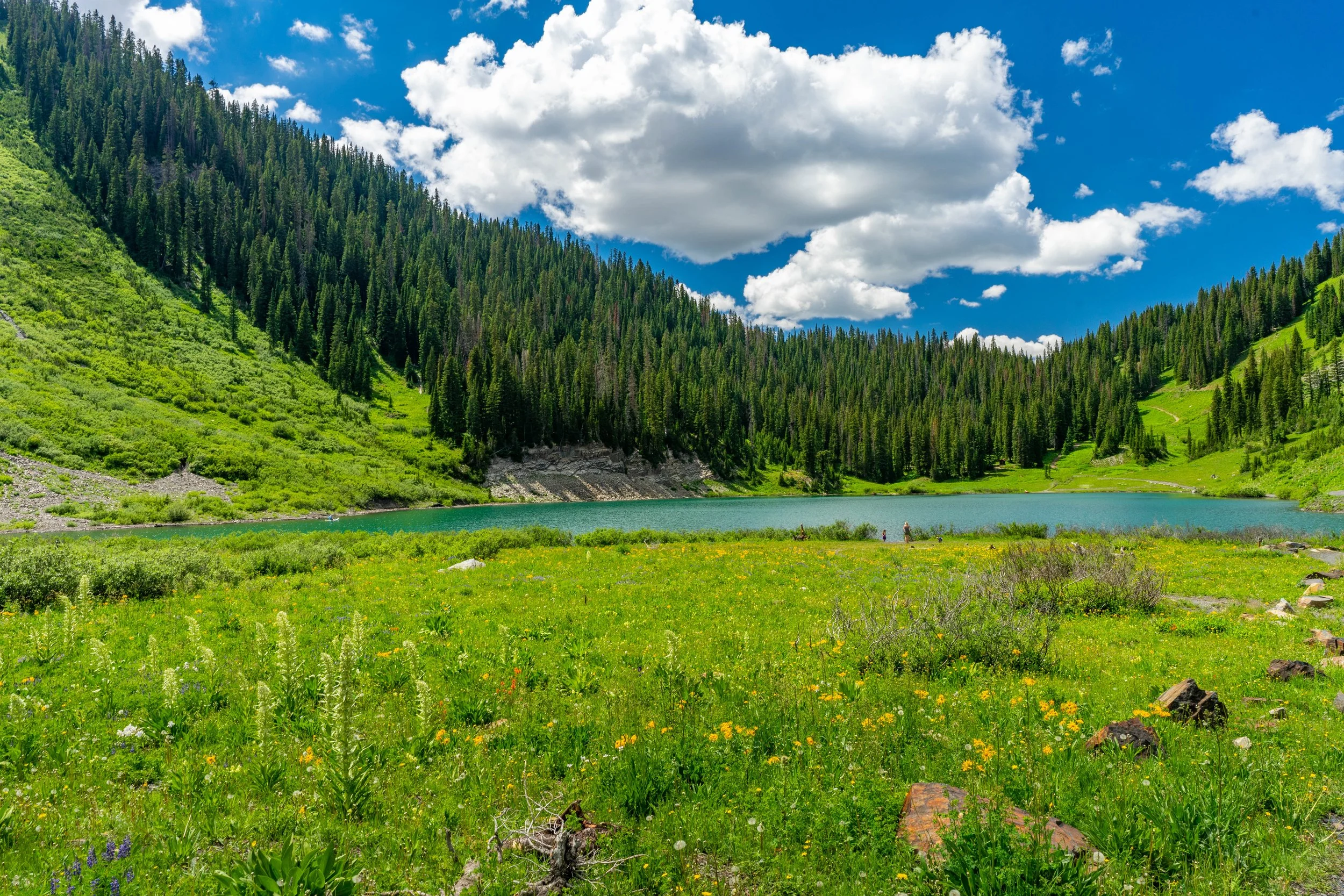
4.Emerald Lake (Crested Butte)
A high, green-tinted lake just below Schofield Pass, in the heart of Crested Butte's wildflower country.
Lake elevation: About 10,450 ft · County: Gunnison · Access: Gothic Road (FS 317) north of Crested Butte, below Schofield Pass
Best light: Early morning gives you the best shot at a still surface and the deepest green color before wind ripples the lake. Early July through August is wildflower season around Schofield Pass, and late September aspen color lower on Gothic Road makes the drive itself worth shooting.
Full guide →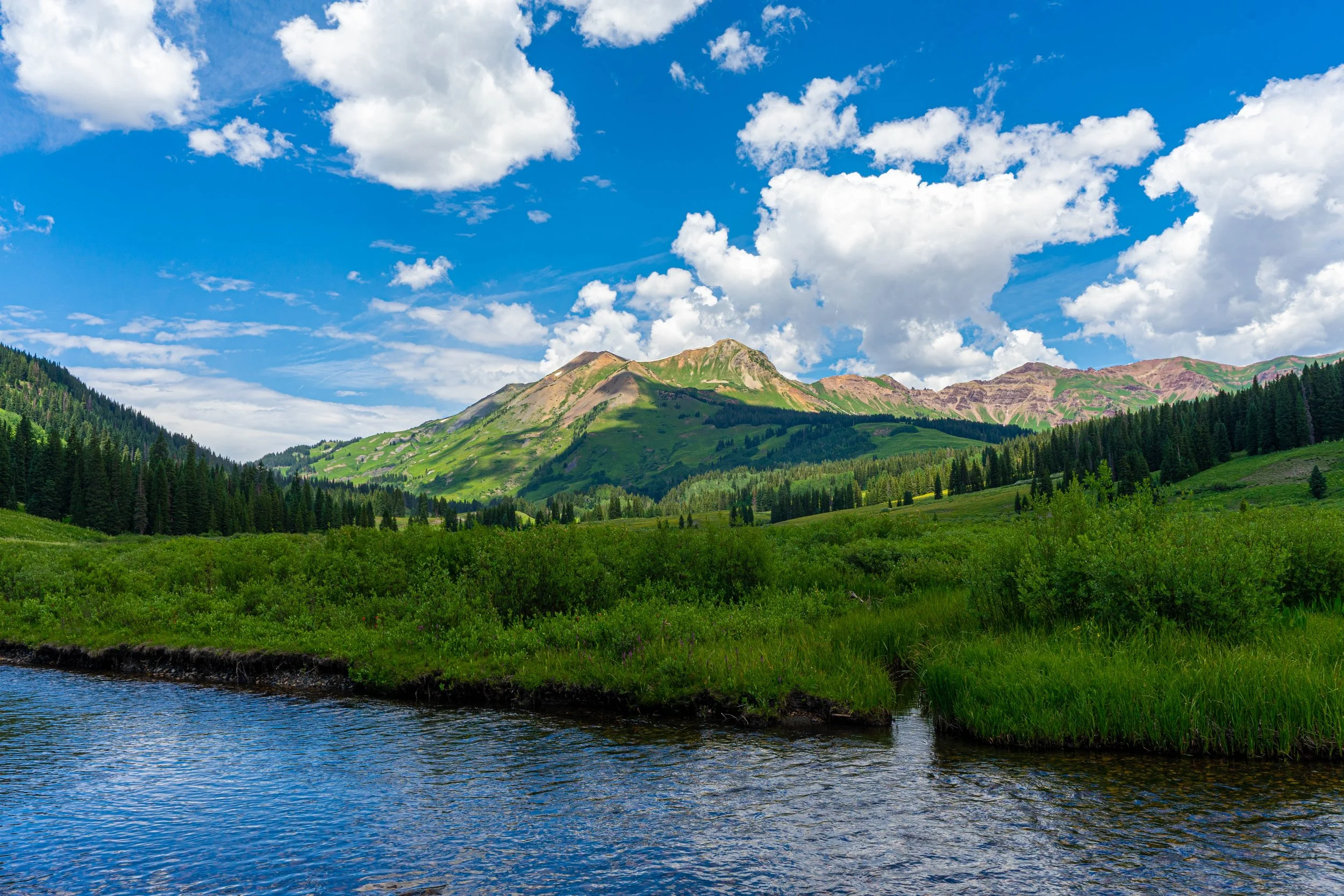
5.Gothic (East River / Crested Butte)
A silver-boom ghost town turned mountain research station, tucked beneath Gothic Mountain's spires above the East River.
Elevation: About 9,500 ft · County: Gunnison · Founded: 1879
Best light: Morning light hits the east faces of Gothic Mountain and lights the valley meadows; evenings put the townsite cabins in warm side light. July is peak wildflower season in the Crested Butte area, and the aspens along Gothic Road usually turn in late September.
Full guide →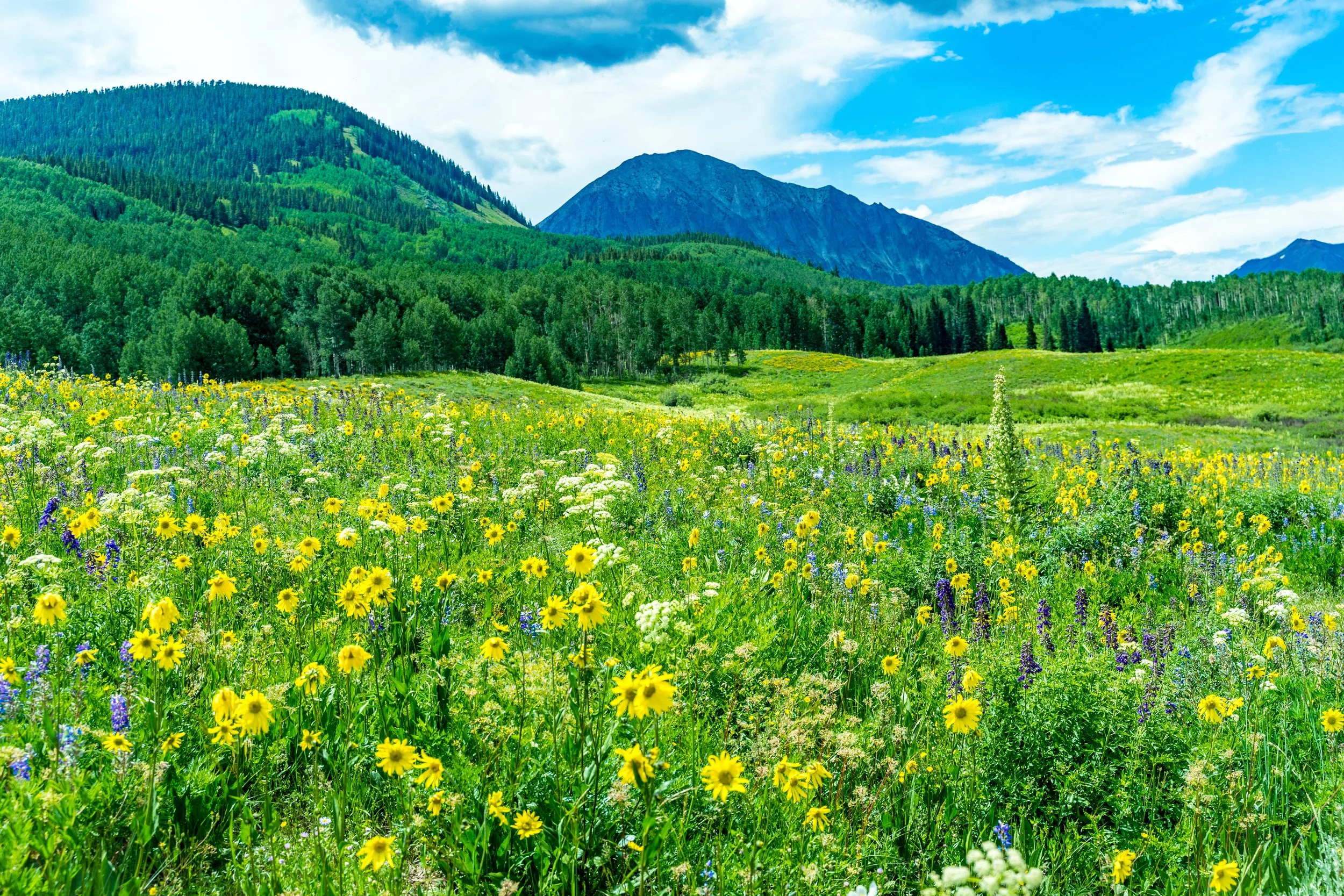
6.Snodgrass Mountain
Crested Butte's aspen-cloaked neighbor, with meadow trails and golden fall color just north of town.
Distance: About 5.6 mi round trip · Elevation gain: About 1,500 ft · Summit elevation: A little over 11,100 ft
Best light: Fall is the headliner: the aspens usually peak around mid to late September, and backlit morning or late-afternoon light makes the leaves glow. In July, the lower meadows fill with wildflowers in front of Mount Crested Butte.
Full guide →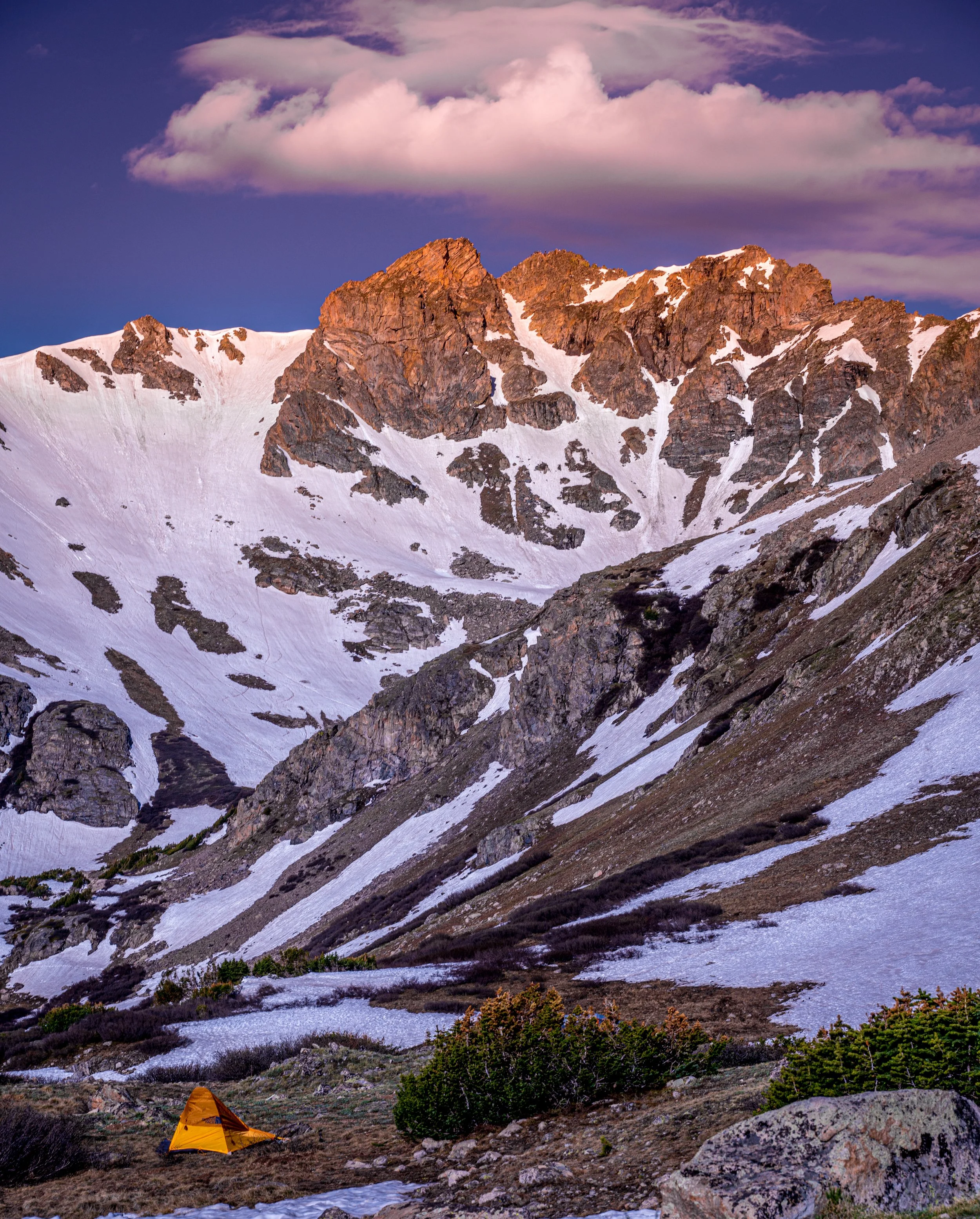
7.Herman Gulch Trail
An I-70 trailhead that climbs through wildflower meadows to Herman Lake beneath Pettingell Peak.
Distance: About 6.3 mi round trip to Herman Lake · Elevation gain: About 1,700 ft · Elevation range: About 10,300 to 12,000 ft
Best light: Mid to late July is peak wildflower season in the upper meadows. The gulch runs north from the interstate, so morning light comes in from the east across the meadows and onto Pettingell's south-facing ridges. Calm early mornings give the best chance of a reflection on Herman Lake.
Full guide →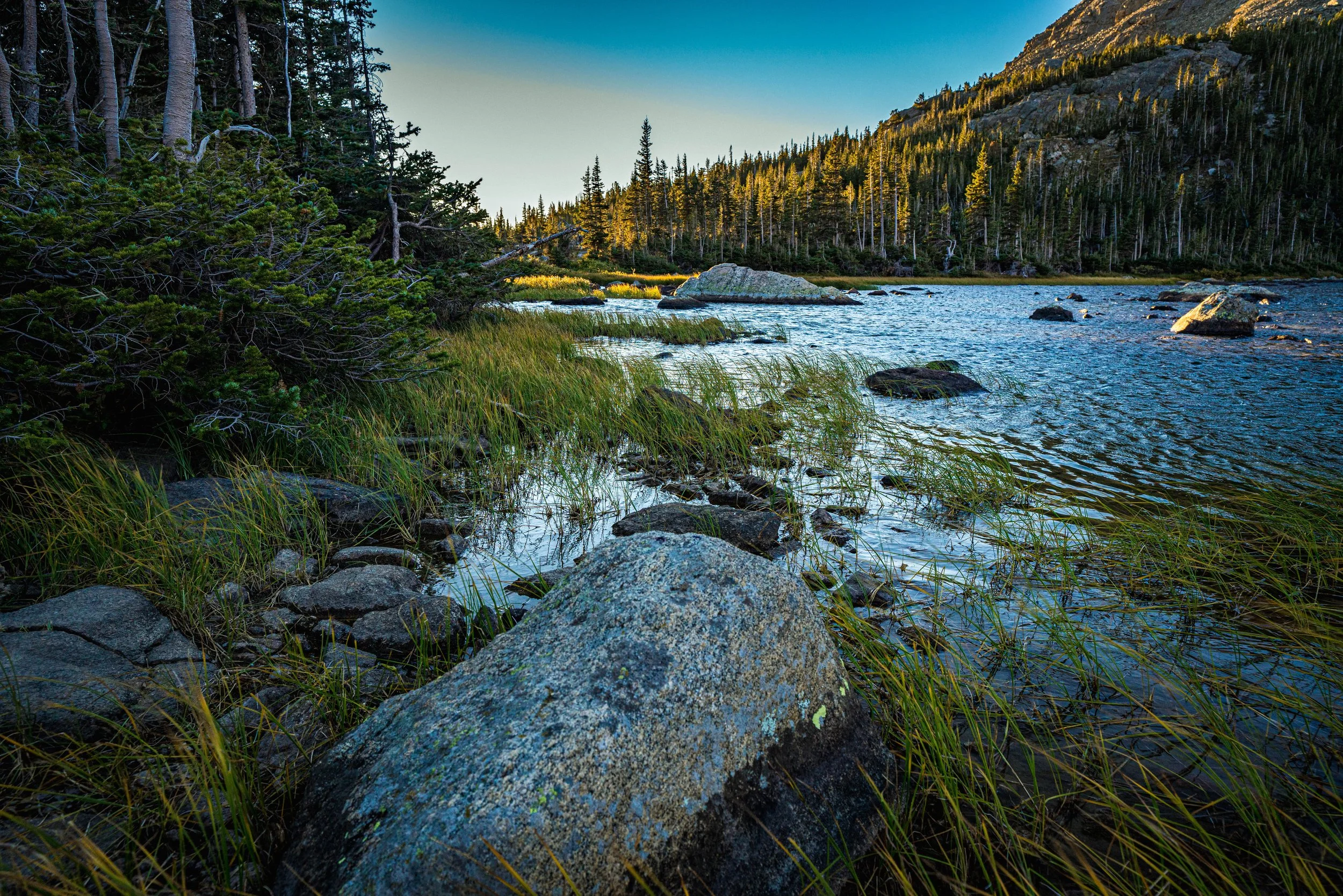
8.Diamond Lake Trail
Waterfalls, wildflower meadows and a subalpine lake tucked beneath the Divide in the Indian Peaks.
Distance: About 5.8 mi round trip to Diamond Lake · Elevation gain: About 1,100 ft · Lake elevation: About 10,940 ft
Best light: Morning is best: you'll usually find calmer water for reflections and clearer skies before summer afternoon storms build over the Divide. Mid-July through early August is peak wildflower season; mid to late September adds golden willows and fewer people.
Full guide →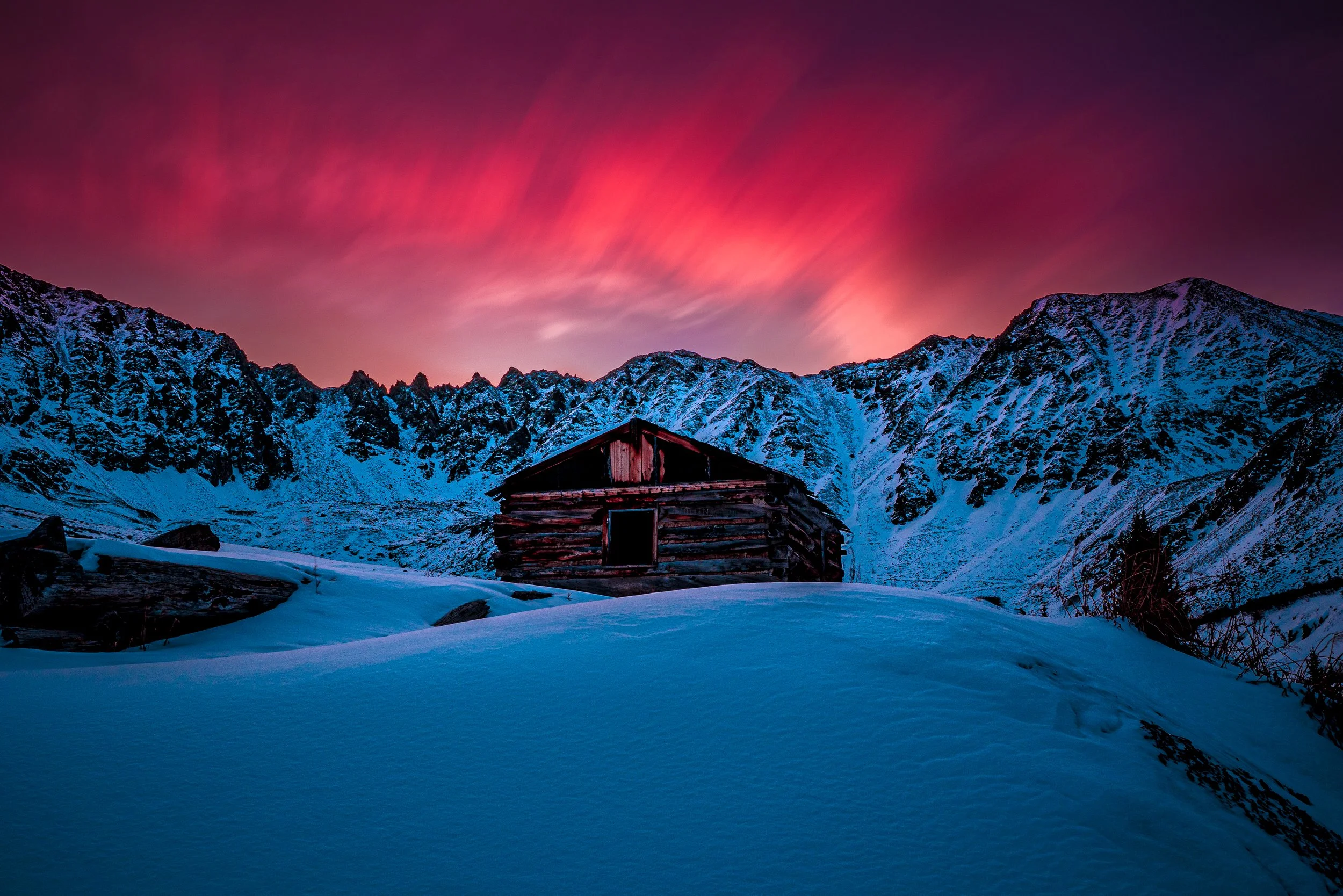
9.Mayflower Gulch
A short walk from Highway 91 to old mining cabins under a wall of Tenmile Range peaks.
Distance: About 3-6 mi round trip, depending on how far you go · Elevation gain: About 500-1,200 ft · Trailhead elevation: About 11,000 ft
Best light: The peaks ring the gulch to the east and south of the cabins, so their faces take warm side and front light late in the day and at sunset alpenglow, while sunrise gives softer backlit and side-lit scenes. Wildflowers peak in July into early August, and winter scenes with snow-loaded cabins are among the best here.
Full guide →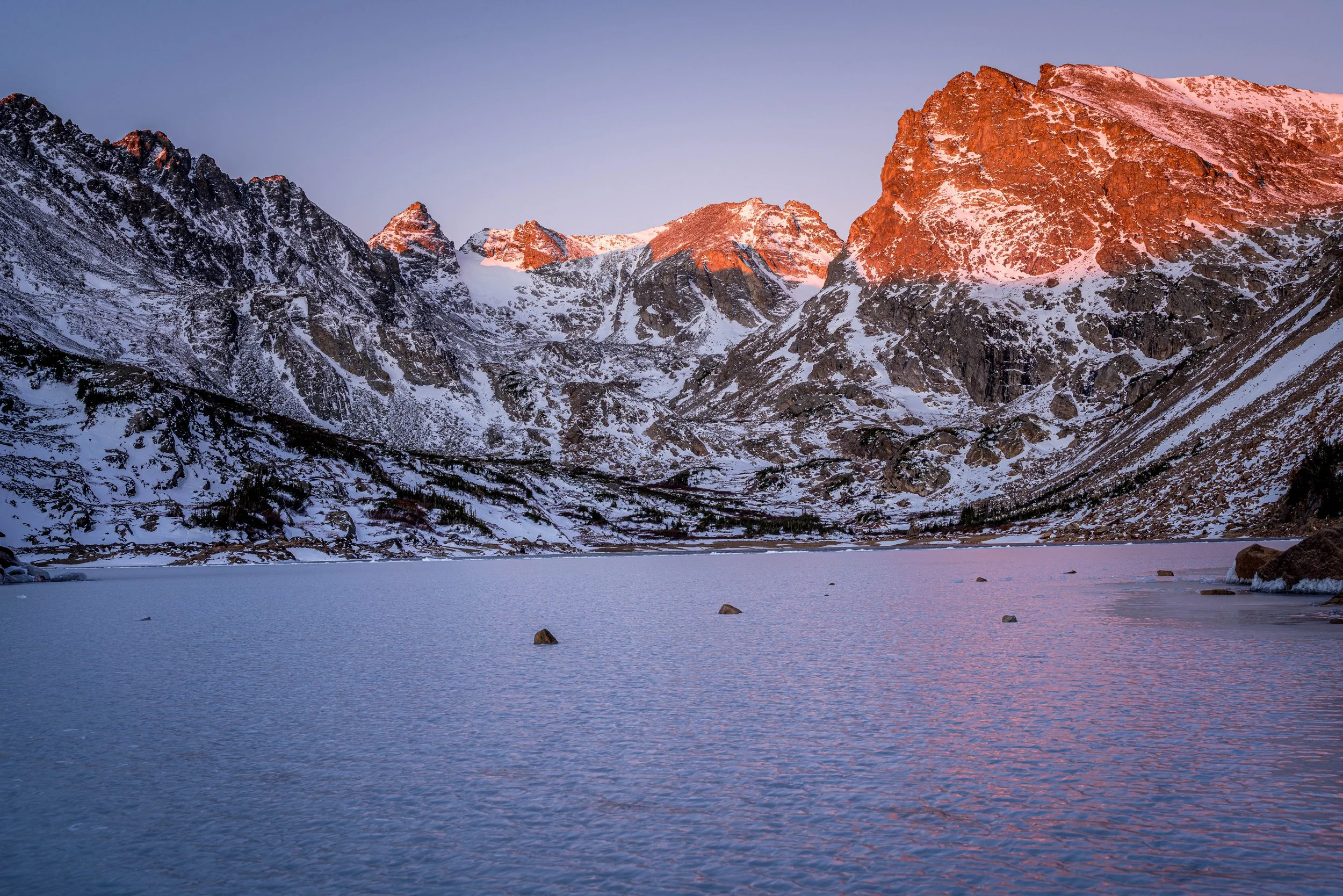
10.Lake Isabelle
A broad alpine lake beneath Navajo, Apache and Shoshoni Peaks in the Indian Peaks.
Distance: About 4.5 mi round trip from Long Lake TH · Elevation gain: About 500 ft · Lake elevation: About 10,800 ft
Best light: The peaks sit to the west, so sunrise lights Navajo, Apache and Shoshoni while the lake is still calm, with good odds of a reflection. Go before August, when the lake is often drawn down, or in late September; July brings wildflowers along the trail.
Full guide →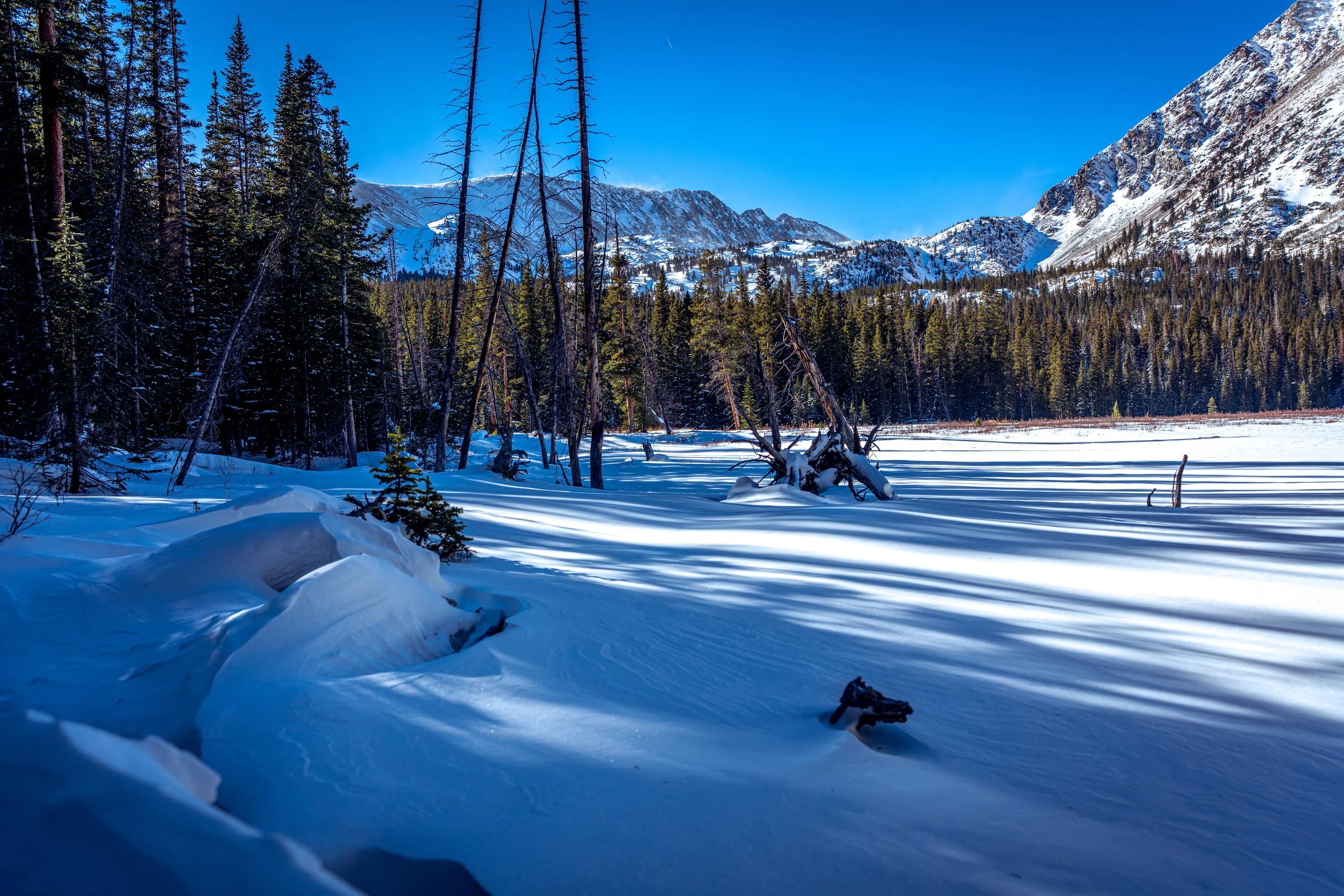
11.Mohawk Lakes
Waterfalls, mining cabins and twin alpine lakes stacked above Breckenridge in the Tenmile Range.
Distance: About 6-7 mi round trip from Spruce Creek TH · Elevation gain: About 1,400-1,800 ft, depending on lake · Lake elevation: Lower Mohawk ~11,850 ft
Best light: Morning is best for calm lakes and soft light on Continental Falls. Late July into early August is peak wildflower season in the upper basin. Snowmelt in June and early July makes the falls thunder, but the upper trail may still hold snow. Clouds often build by midday, so plan to shoot the lakes early.
Full guide →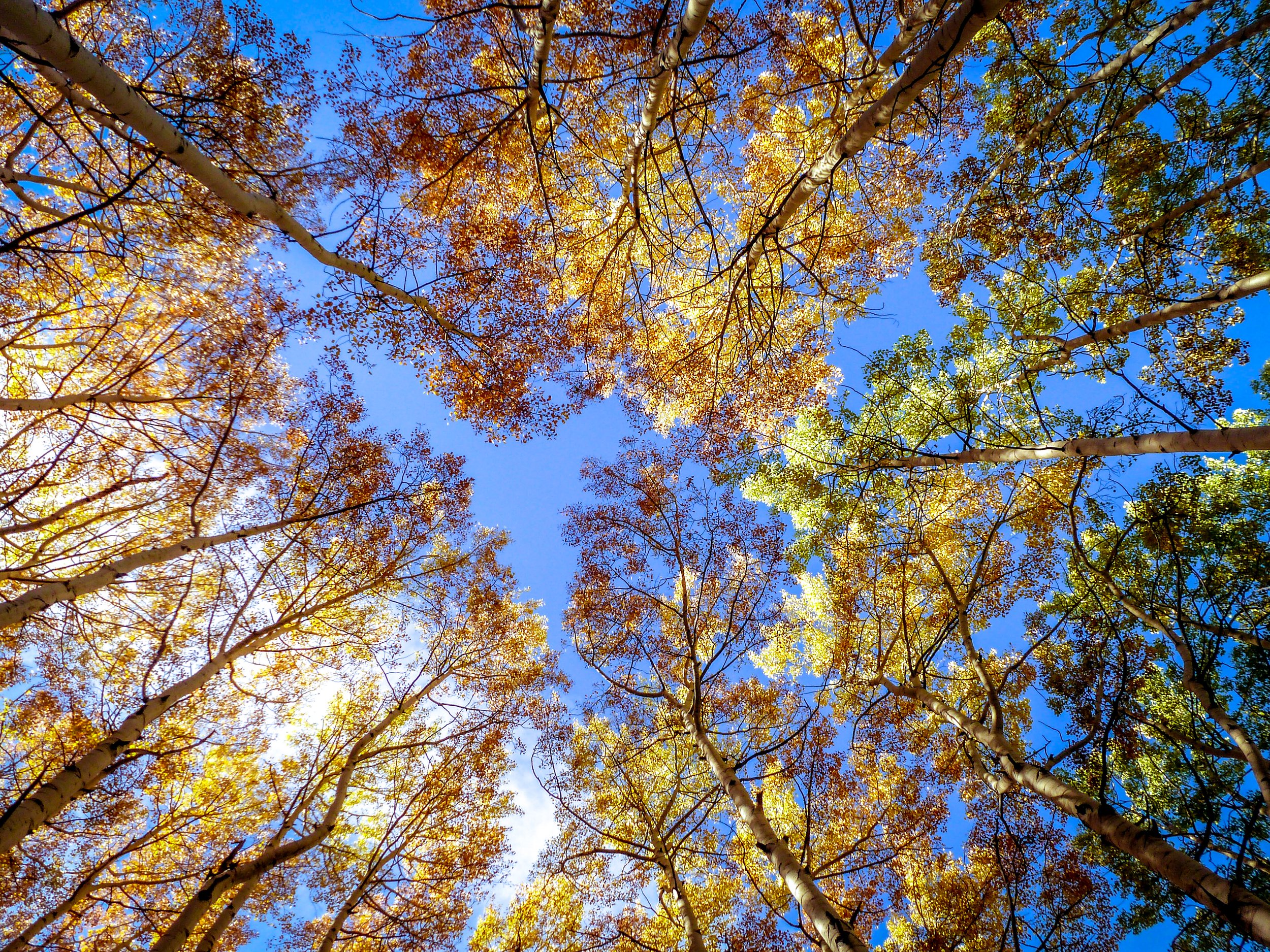
12.Booth Falls
A steep East Vail climb through aspens and wildflowers to a 60-foot waterfall in the Gore Range.
Distance: About 4 mi round trip to the falls; about 9 mi round trip to Booth Lake · Elevation gain: About 1,400 ft to the falls · Falls height: About 60 ft
Best light: Morning is best: you beat the crowds, and the falls are less likely to be in harsh, contrasty sun. Peak runoff in June gives the most water, mid-July brings wildflowers on the open slopes below the falls, and late September lights up the aspens.
Full guide →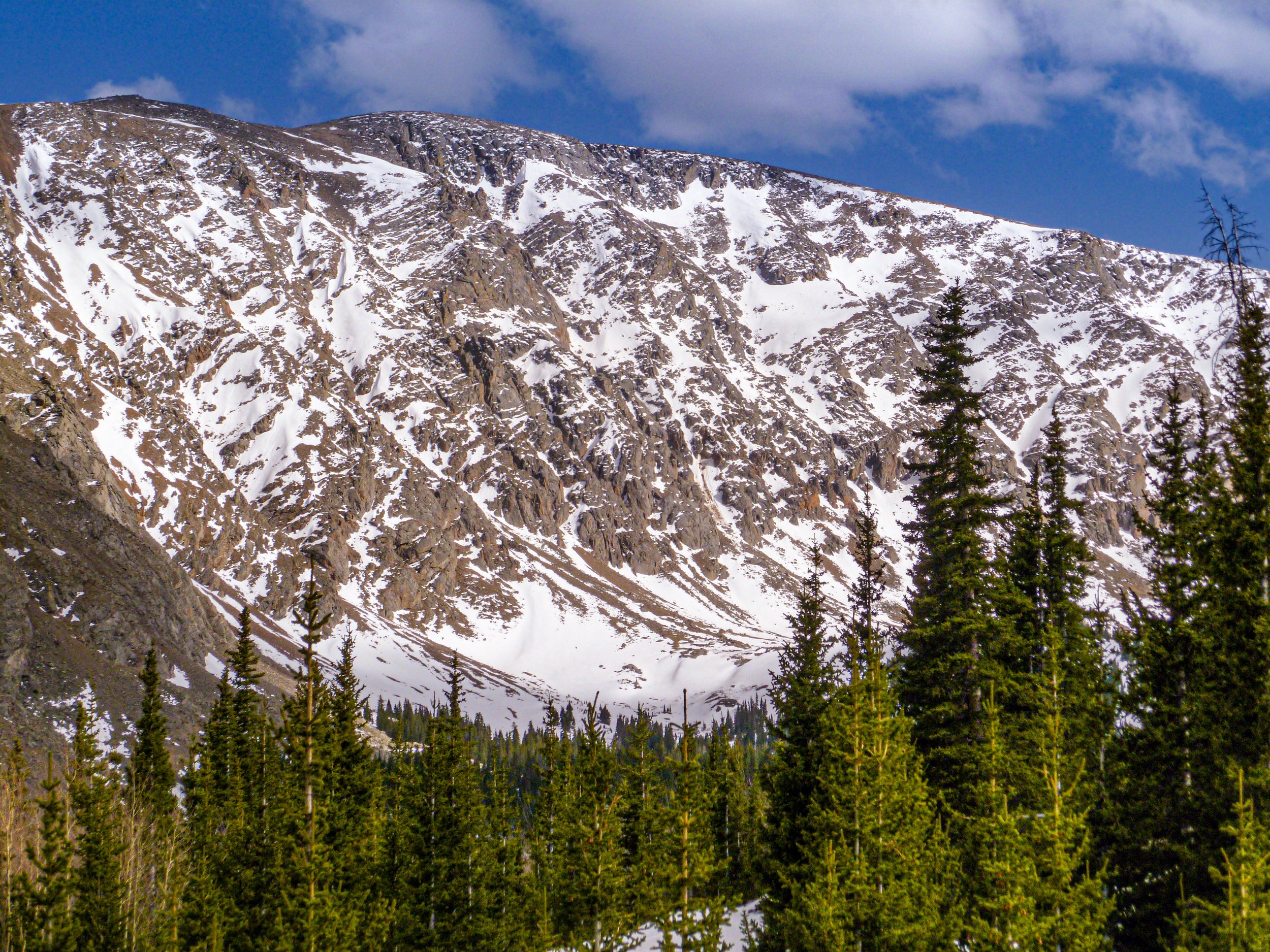
13.Hells Hole
An aspen-lined climb up West Chicago Creek to a willow meadow beneath Gray Wolf Mountain.
Distance: About 8 mi round trip · Elevation gain: About 1,900 ft · High point: About 11,500 ft
Best light: Late September is the standout window, when the lower aspen groves turn gold. In July and early August the upper meadow fills with wildflowers; morning light on Gray Wolf Mountain's face is the best time to work the basin before afternoon storms build.
Full guide →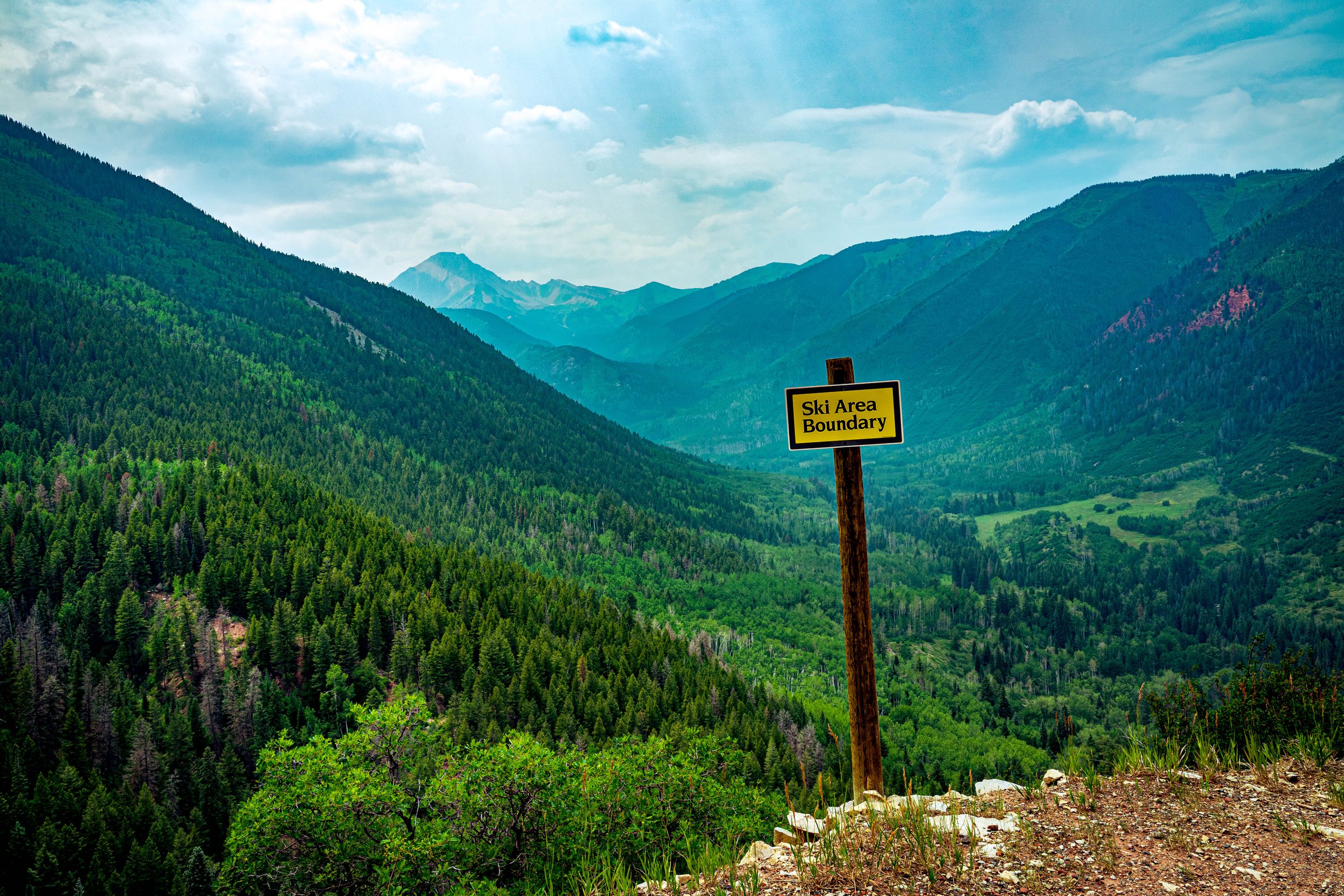
14.Snowmass Trail
A quiet, steep climb from Snowmass Creek to West Snowmass Pass and big views of the Elk Mountains.
Distance: About 12.4 mi round trip to West Snowmass Pass · Elevation gain: About 3,380 ft · Pass elevation: About 11,780 ft
Best light: Morning light works well on the climb and the pass, and you will want to be off the high ground before afternoon storms. Mid-July is prime wildflower time in the upper basin, while late September turns the lower aspen forest gold.
Full guide →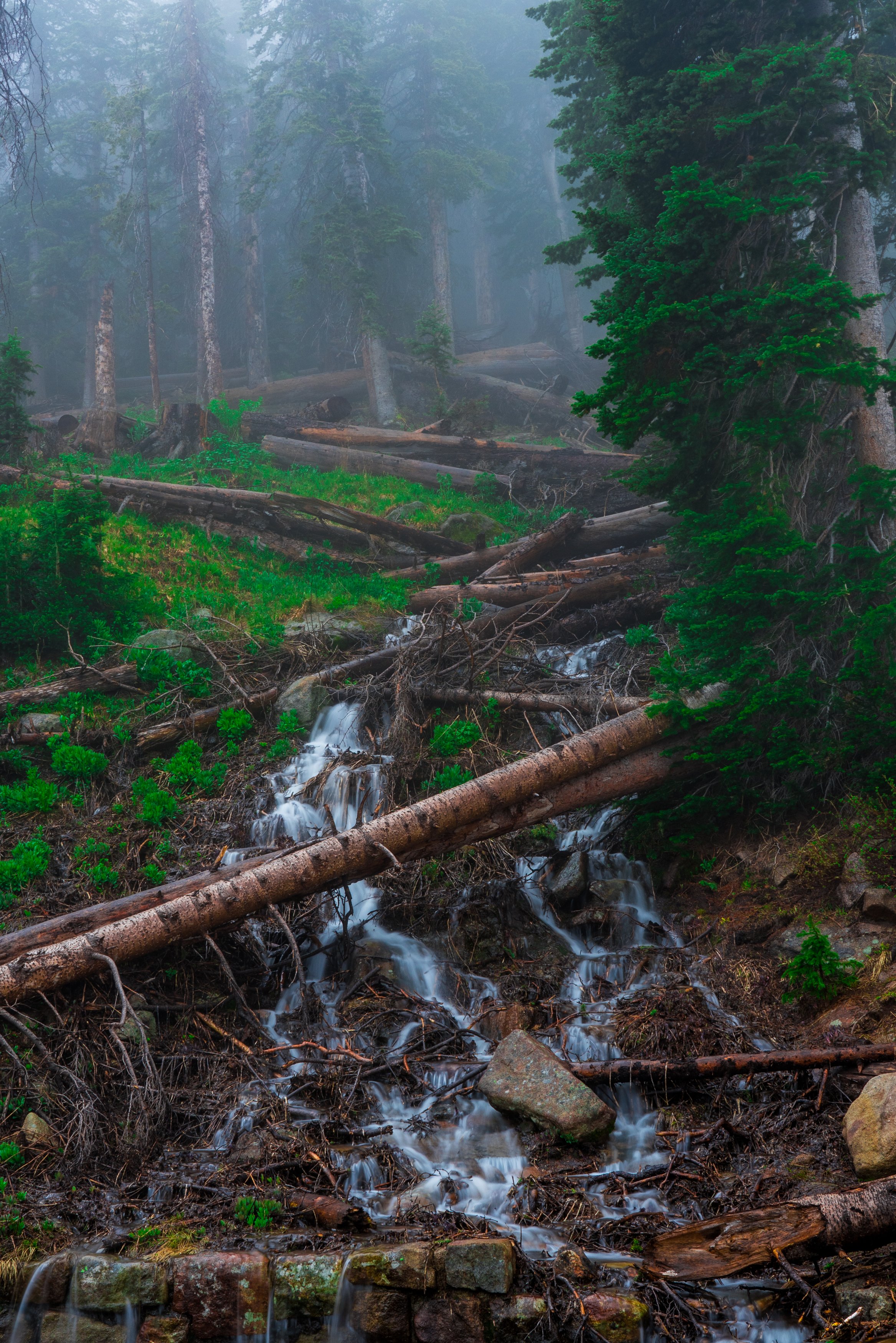
15.Trail Ridge Road, RMNP
The highest continuous paved road in North America, crossing Rocky Mountain National Park's alpine tundra.
Length: 48 mi, Estes Park to Grand Lake · High point: 12,183 ft · Above treeline: About 11 mi
Best light: Sunrise from the east-side pullouts lights the peaks of the Mummy Range and the Continental Divide, while sunset paints the tundra in long warm light. June brings lingering snow walls, July brings tundra wildflowers, and September brings elk rut and aspen color in the lower valleys.
Full guide →
More Colorado guides
Best Fall Color Spots in Colorado · Best Sunrise Photography Spots in Colorado · Easy Colorado Hikes With Big Views · Winter Photography Spots in Colorado · Best Alpine Lake Hikes in Colorado · Colorado 14ers: Hiking and Photography Guide · Photography Spots Near Denver · Colorado Waterfall Hikes · Where to Photograph Wildlife in Colorado · Night Sky and Storm Photography in Colorado